A Tiny Osaka Café That Refuses to Line Up With Its Own Street
A Tiny Osaka Café That Refuses to Line Up With Its Own StreetMidosuji doesn’t leave much room for interpretation. Osaka’s most famous boulevard runs dead straight for miles, lined with gingko trees and glass towers that all...

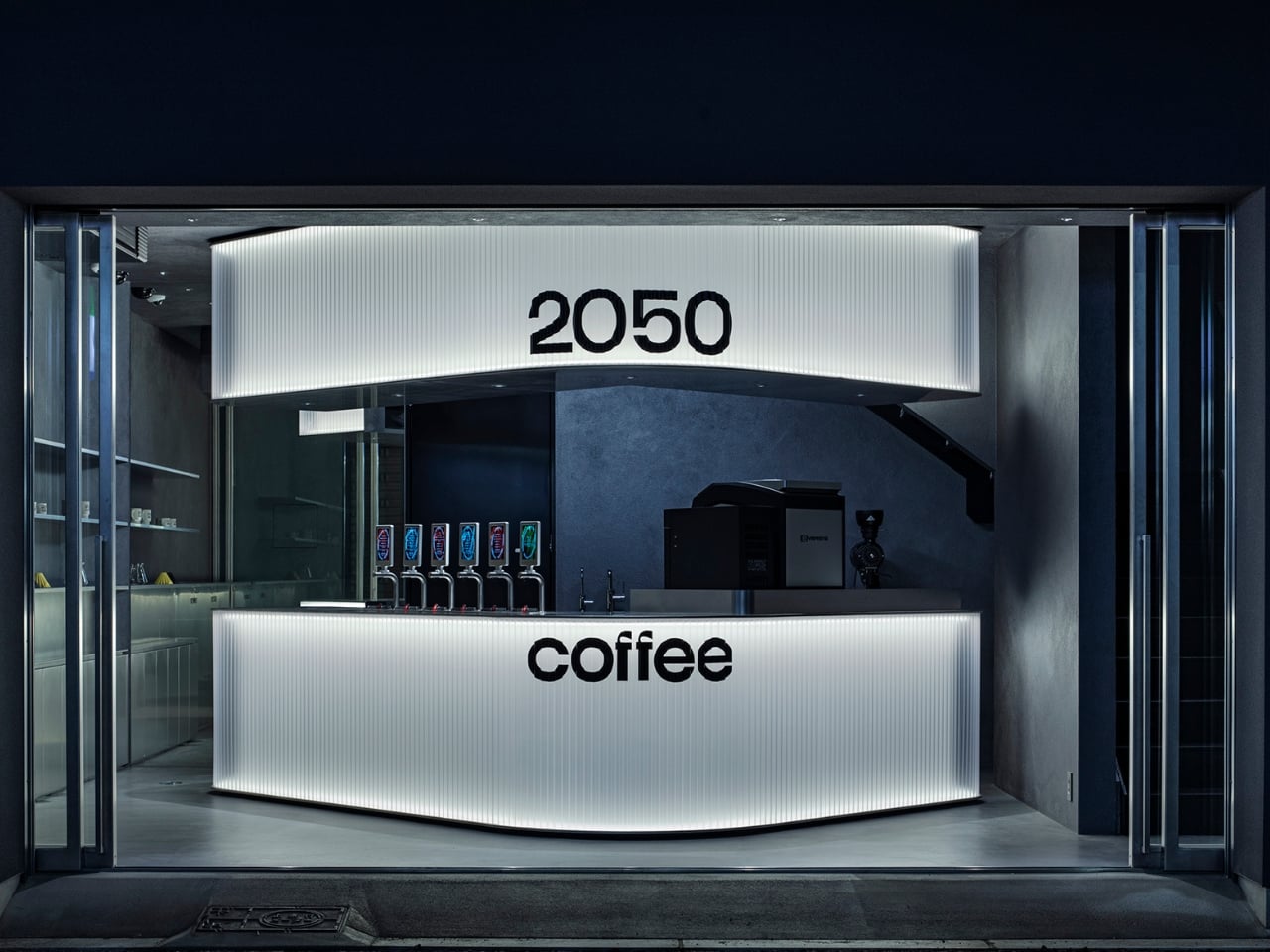
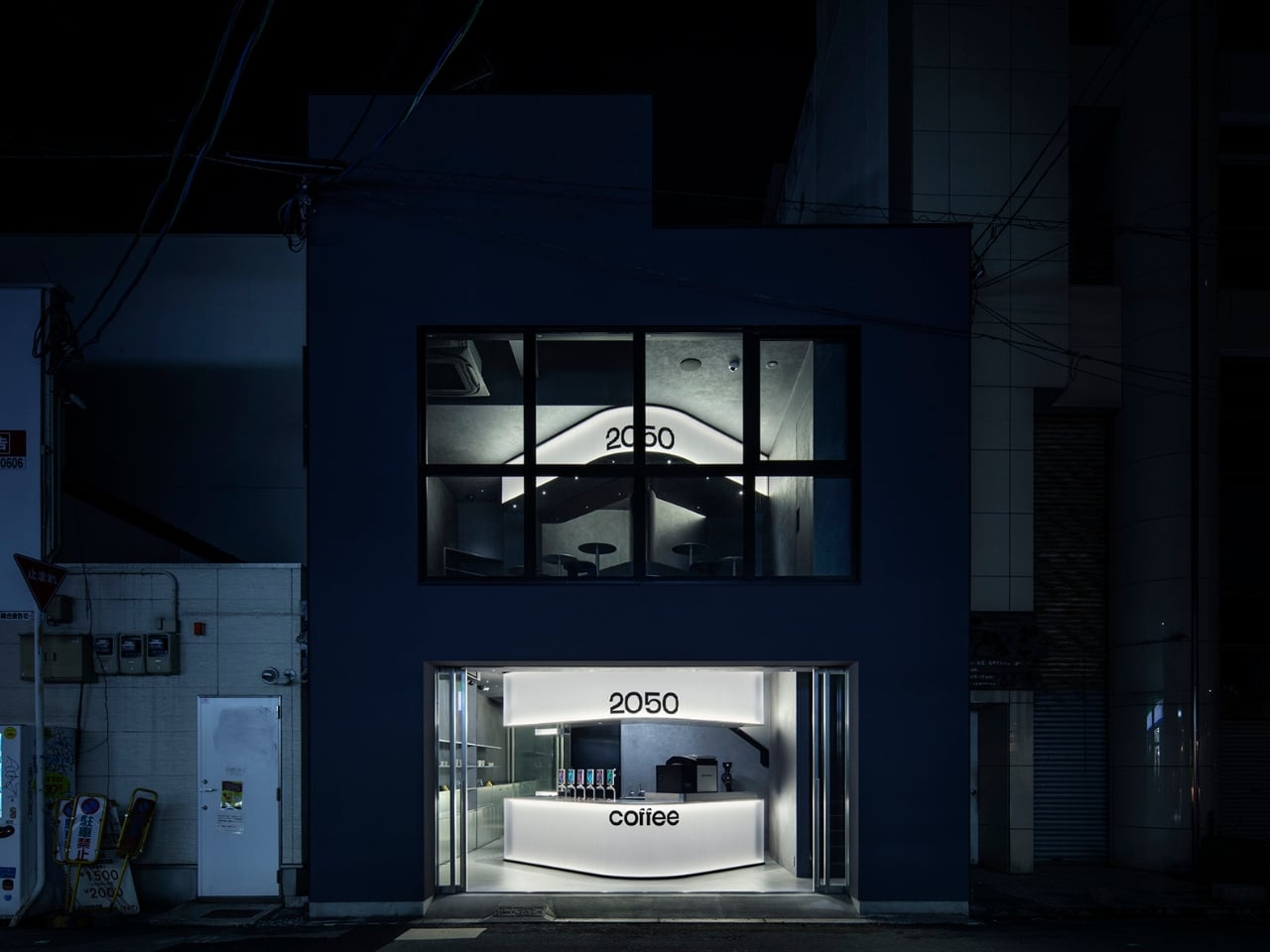
Midosuji doesn’t leave much room for interpretation. Osaka’s most famous boulevard runs dead straight for miles, lined with gingko trees and glass towers that all seem to agree on the same rules of proportion and restraint. It’s a street built on order, and that order is exactly the problem a small coffee shop faces when it tries to plant itself there. How do you get noticed, or even remembered, on an avenue designed to make everything feel uniform and permanent?
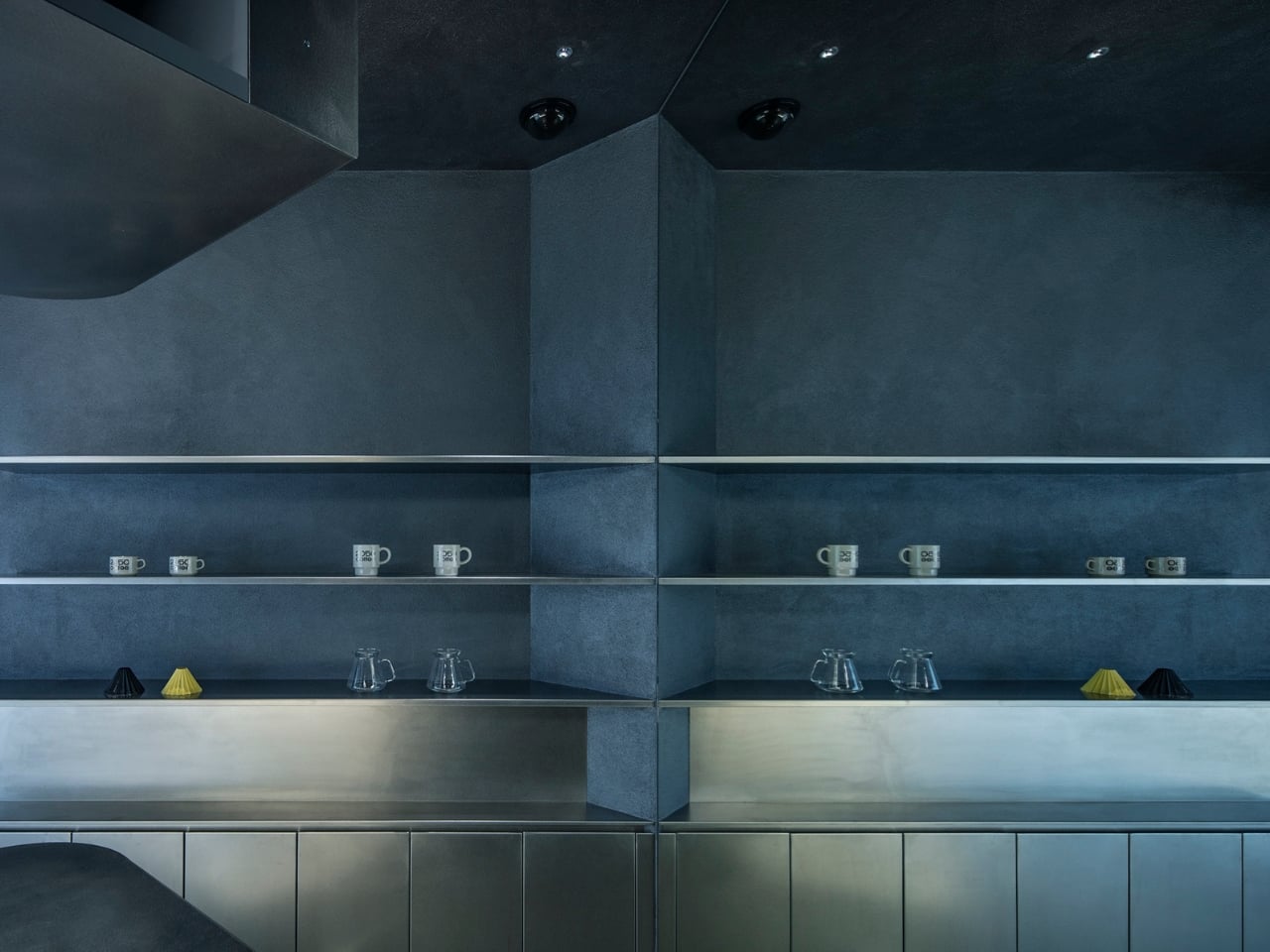
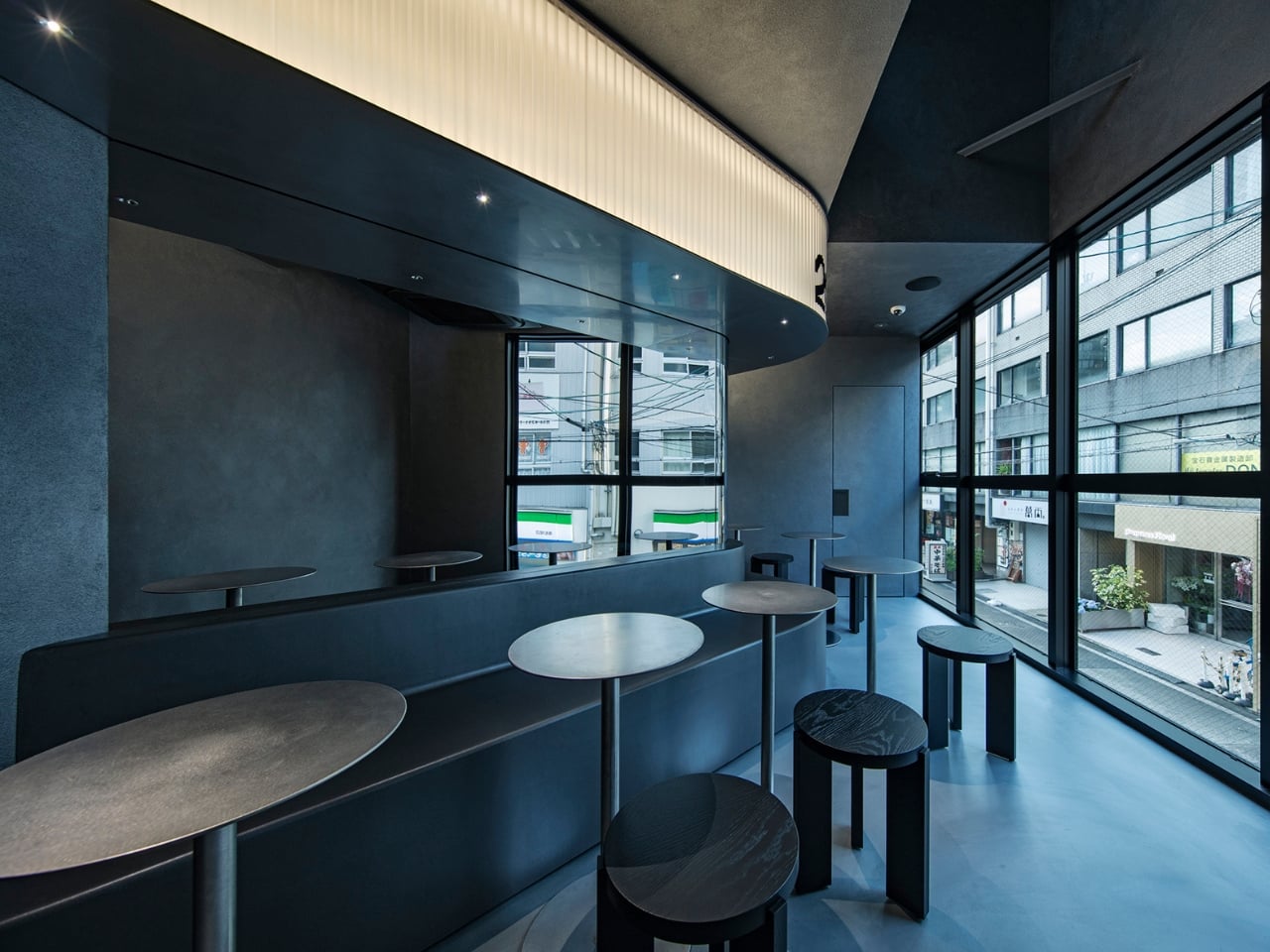
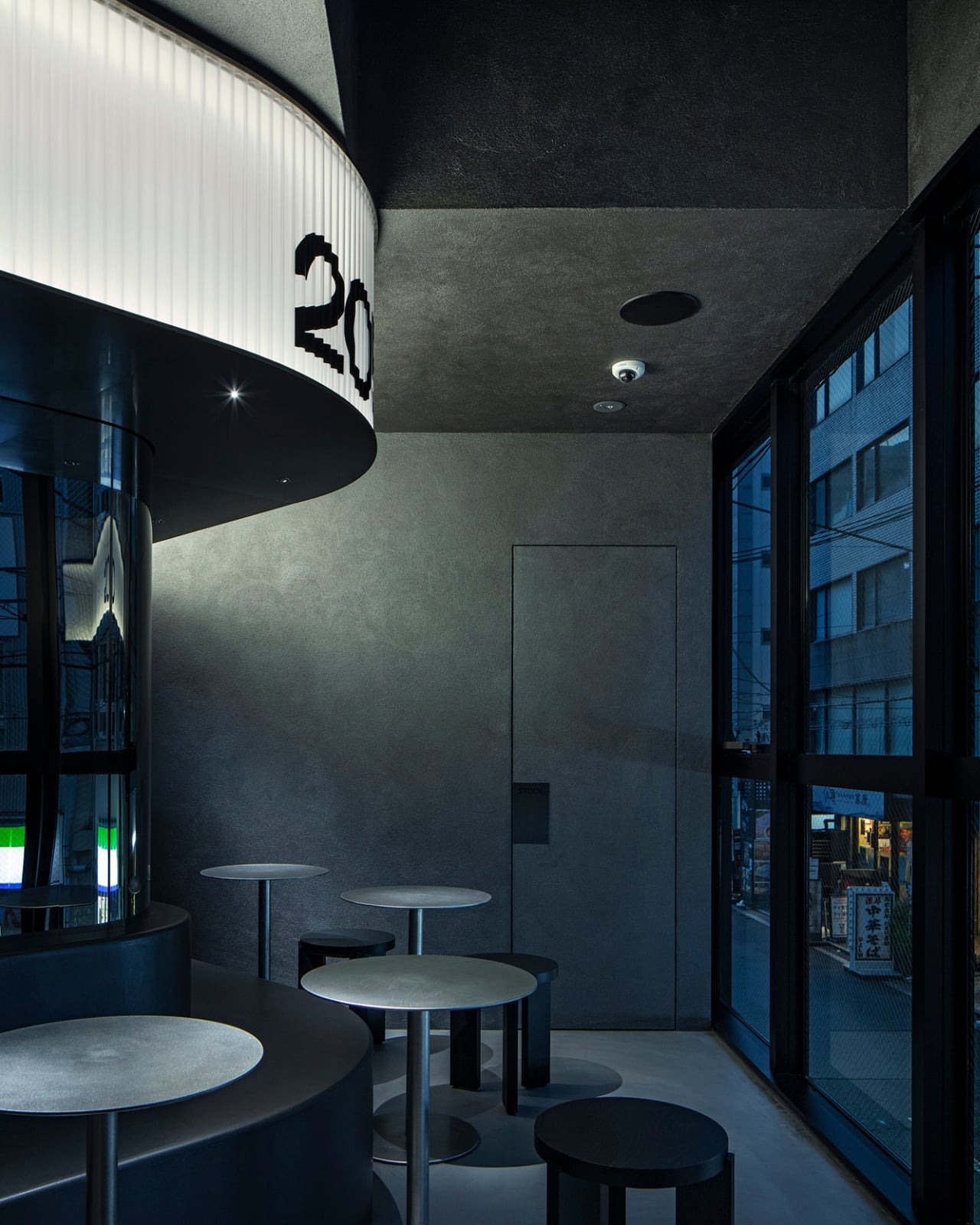
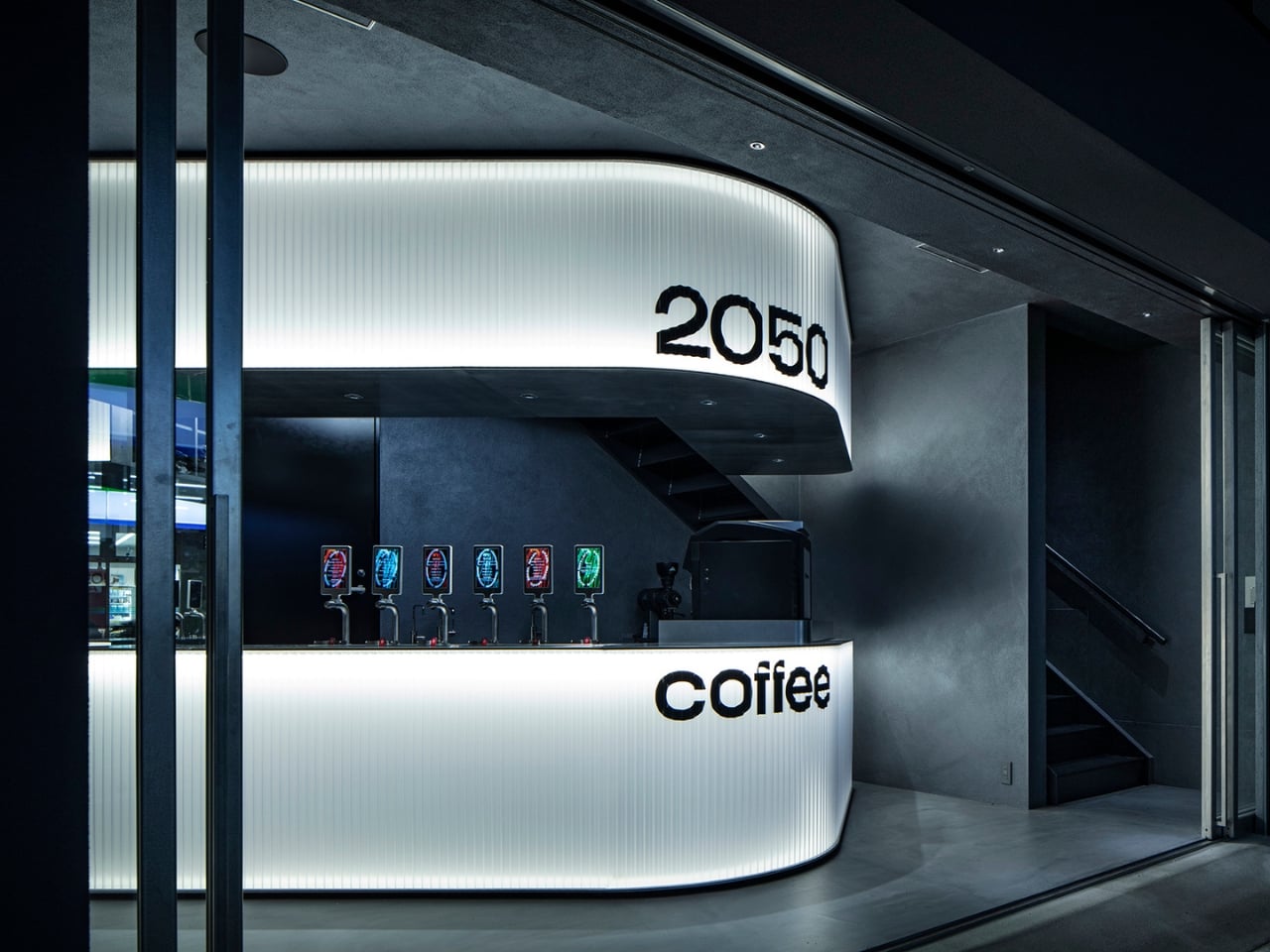
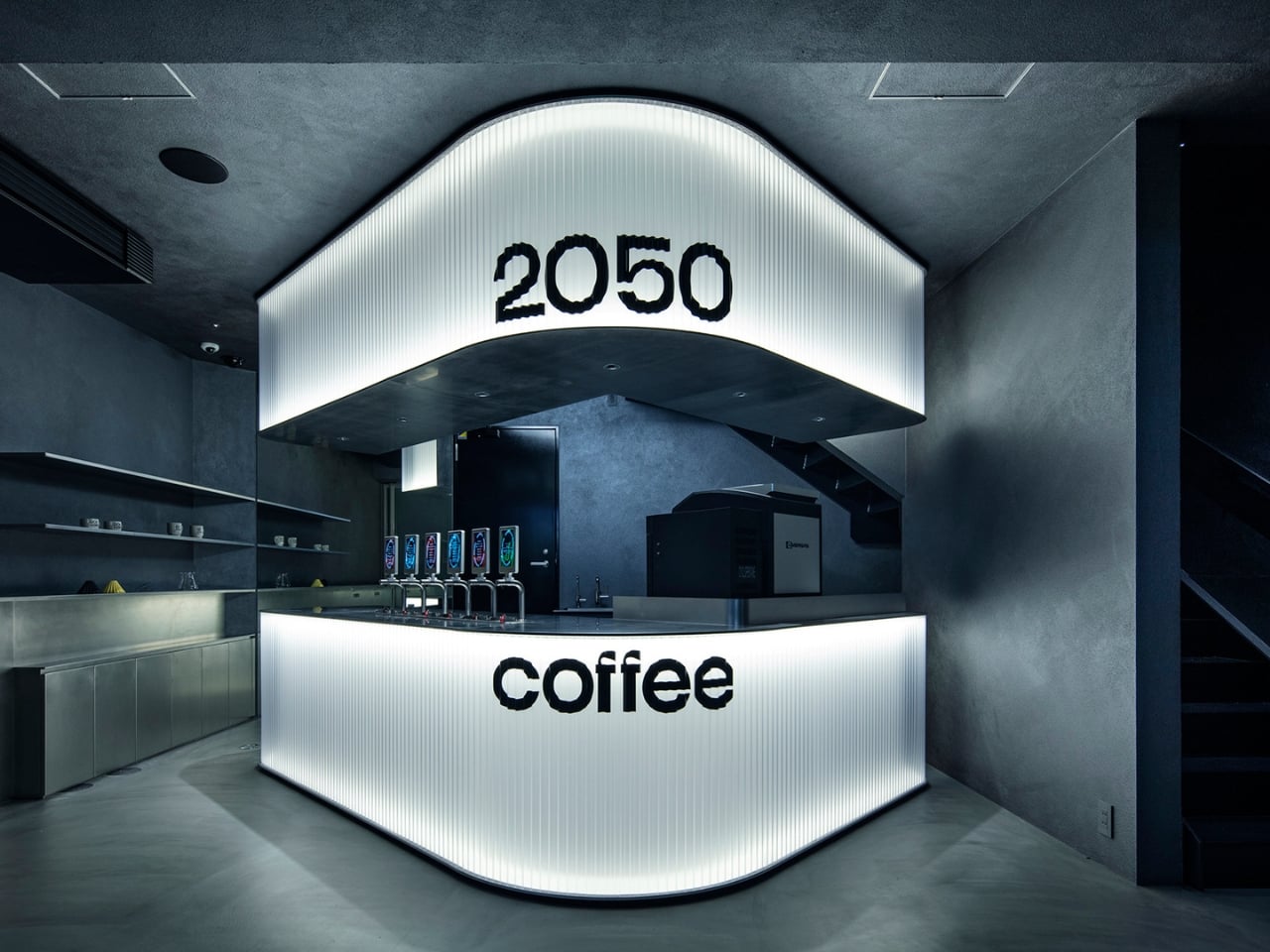
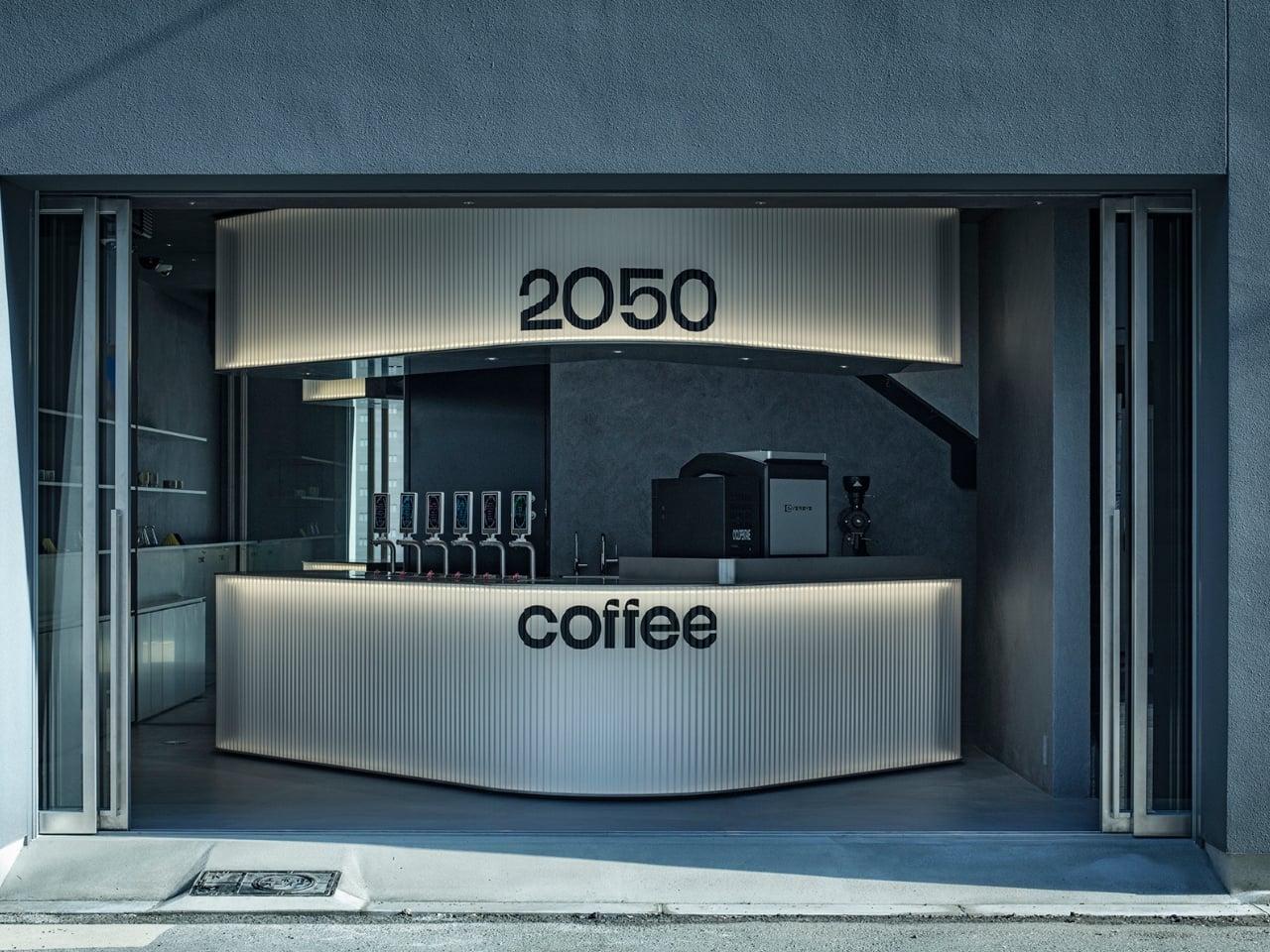
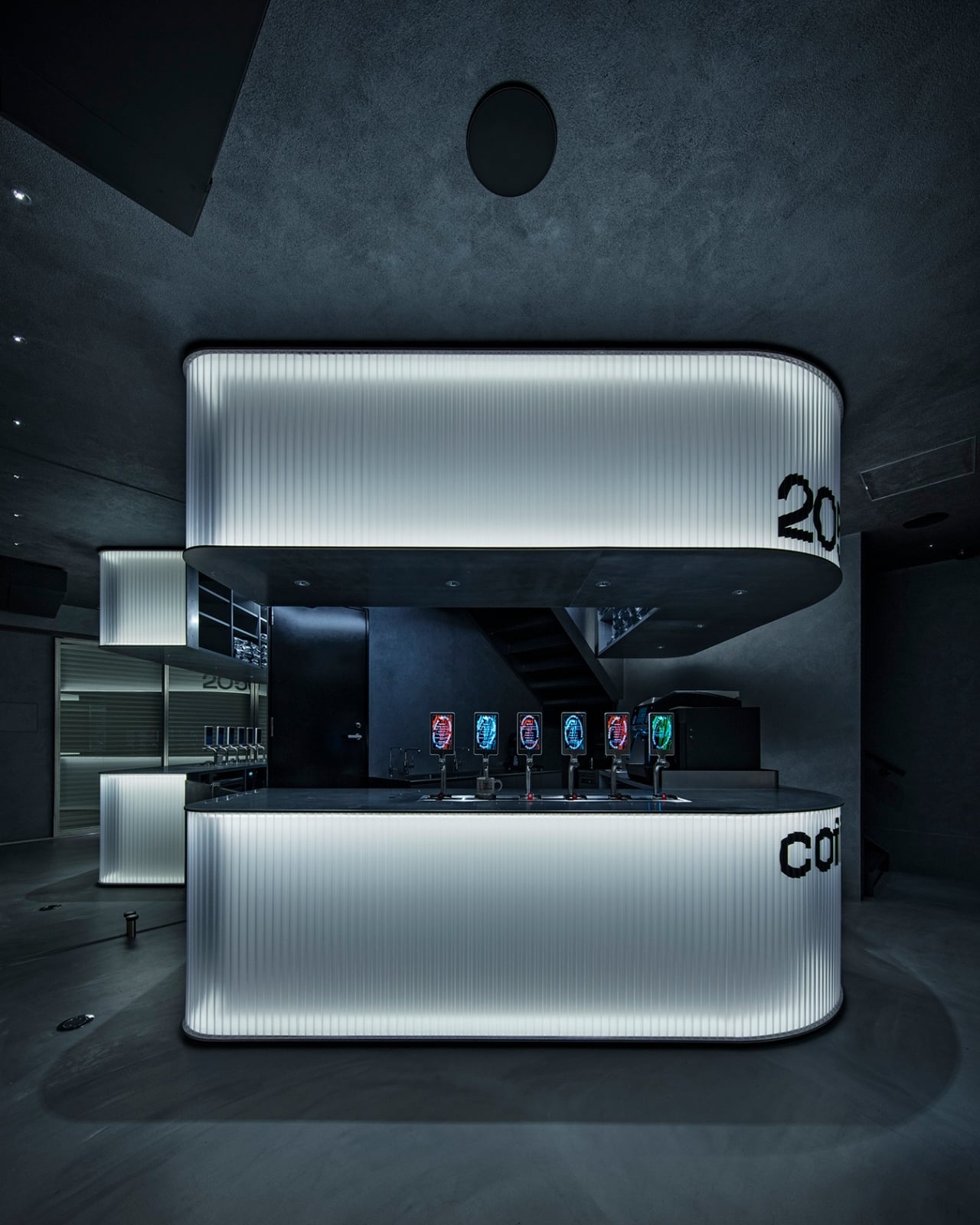
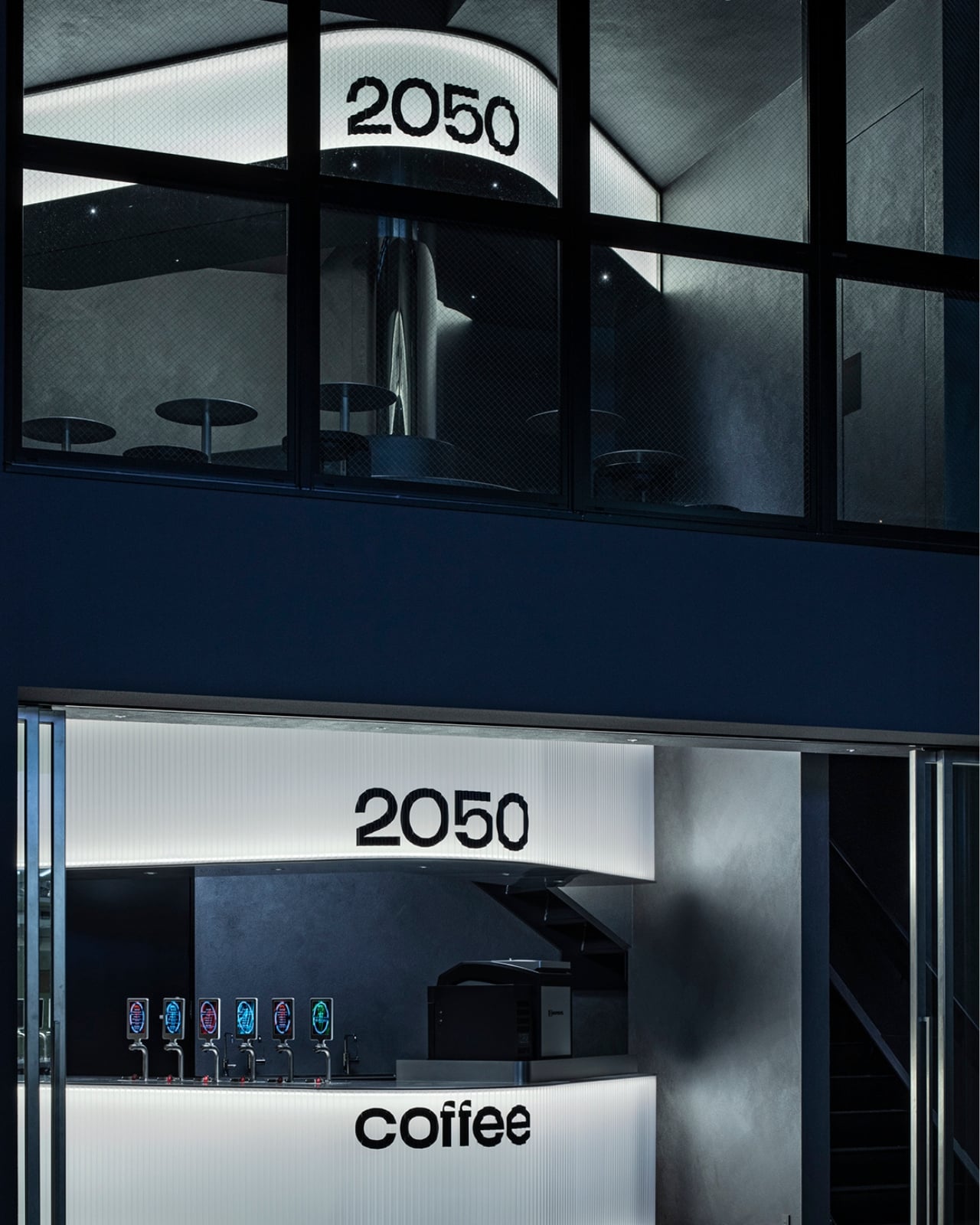
TEKI Design answered that question by refusing the grid entirely. The new Osaka branch of 2050 Coffee, tucked into a compact 57.62 square meter footprint along the axis, leans into diagonal walls and angled openings that cut against Midosuji’s rigid north south line. It’s a small architectural rebellion, and it works because it never shouts. The geometry just sits there, off kilter in a city block built on right angles, and lets the contrast do the talking.
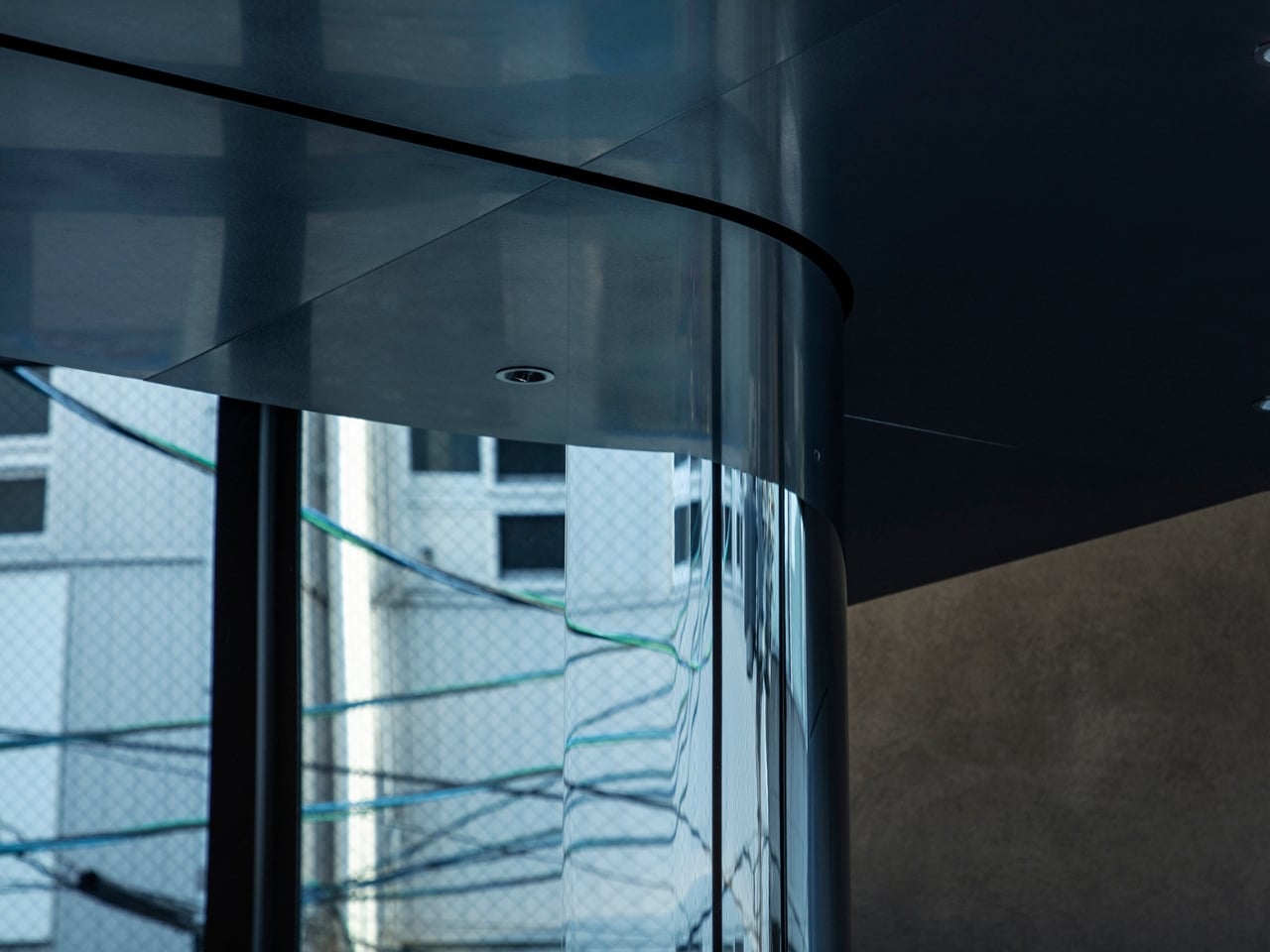
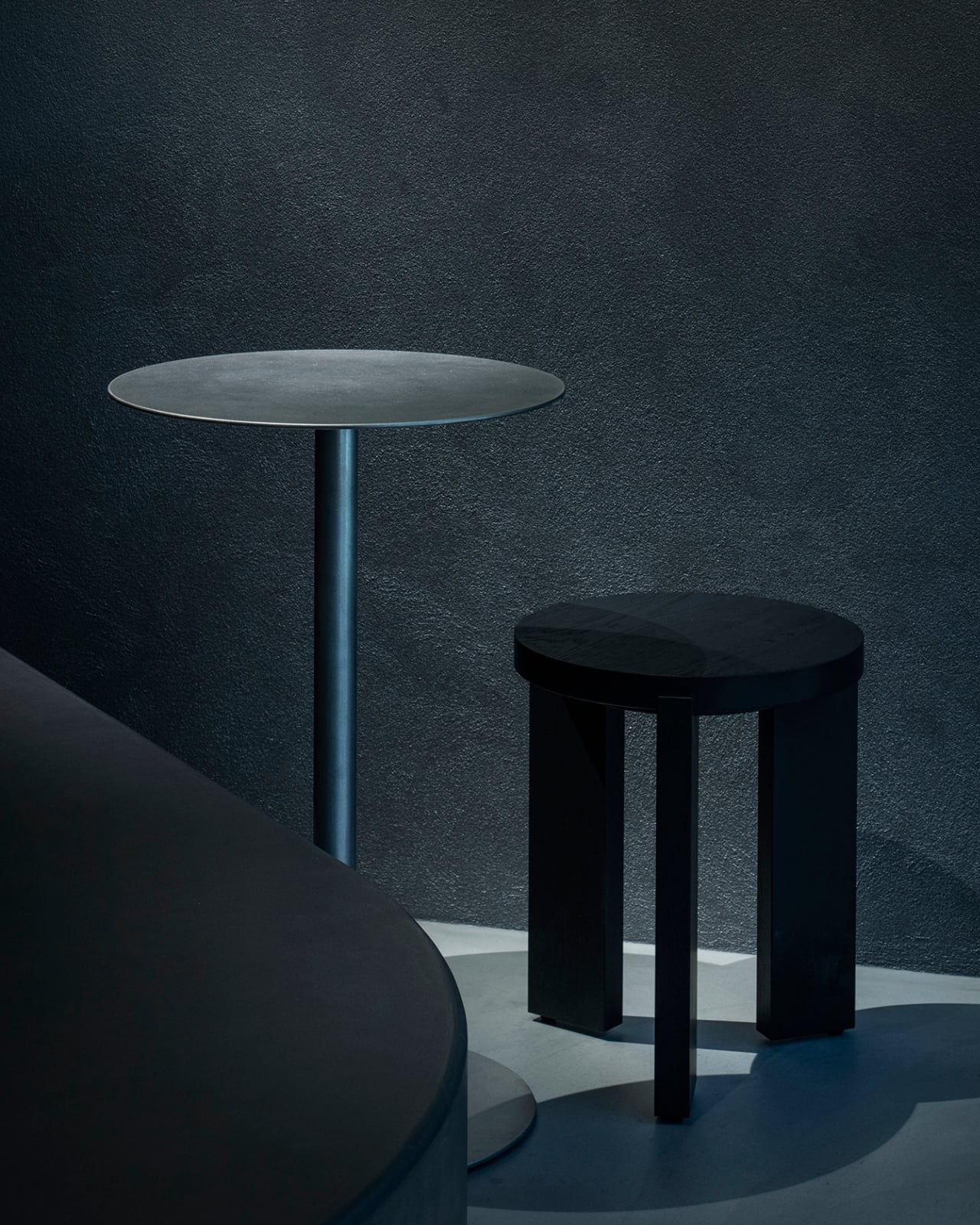
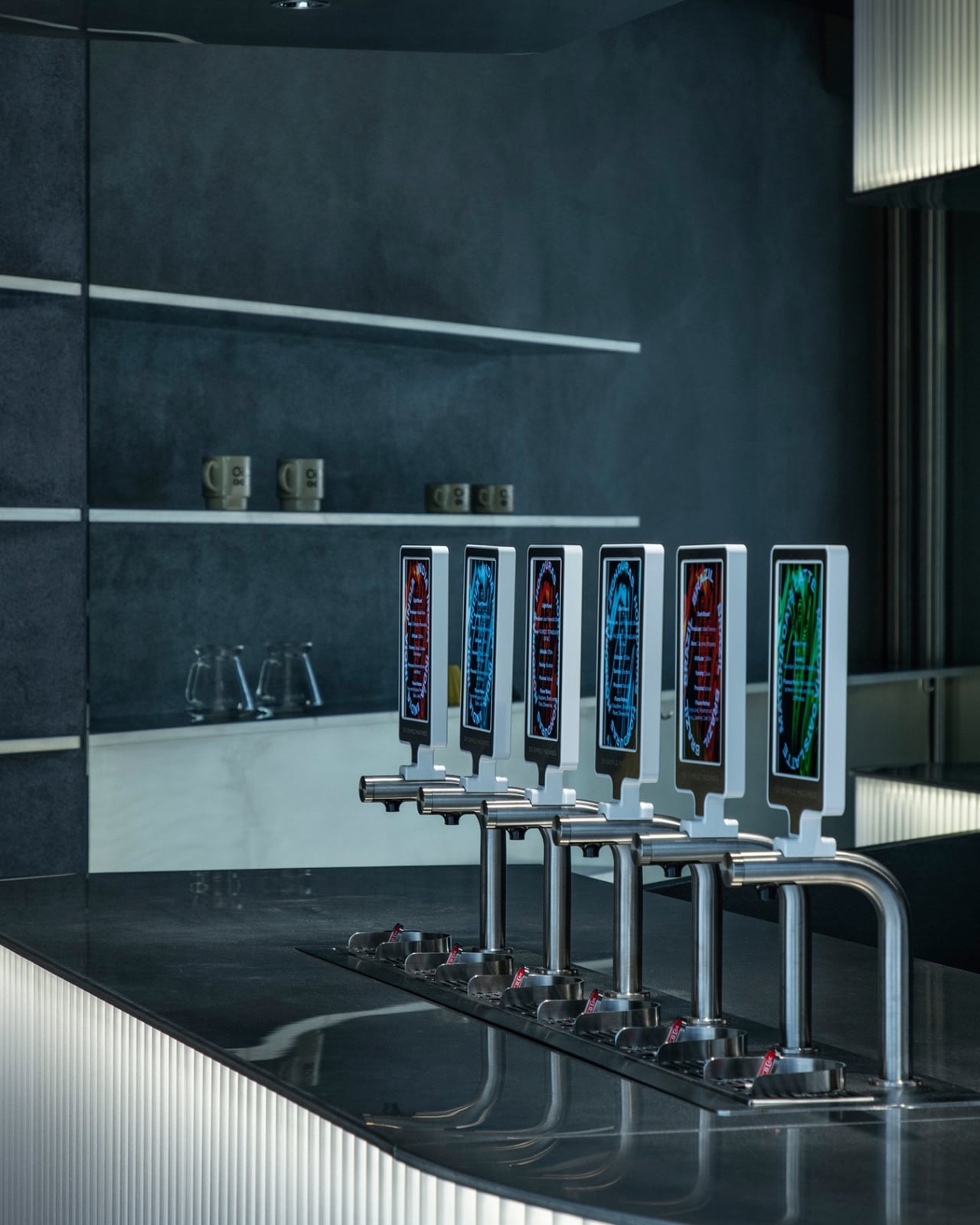
Designer: TEKI Design There’s a second problem buried inside this project, one that has nothing to do with real estate and everything to do with coffee itself. The brand takes its name from a genuinely unsettling forecast: that by 2050, climate change could wipe out more than half the land currently suitable for growing coffee. TEKI Design has said the shop isn’t meant to solve that crisis outright, since no single café can, but to model the idea that a future problem this large gets chipped away by small, deliberate actions rather than one grand fix. The diagonal architecture is basically that philosophy rendered in steel and light. Nothing about it pretends to have the whole answer. It just commits to doing its one small thing well. Inside, the café stacks its two floors vertically rather than spreading wide, which makes sense given how little ground it actually occupies. Angled forms pull visitors upward through the space, and the horizontal energy of the boulevard outside gets translated into a vertical sequence once you step through the door. Illuminated curves break up what could have felt like a cramped stairwell experience, and the circulation itself becomes part of the design rather than an afterthought bolted on at the end. I like that this project treats scarcity as a design tool instead of a limitation to apologize for. A lot of retail architecture in tight urban lots tries to disguise how small the space actually is, adding mirrors and open sightlines to manufacture a sense of grandeur. TEKI Design does the opposite here. The diagonals make the compression feel intentional, almost theatrical, so that moving through the café becomes an experience defined by shifting angles rather than a race to the counter and back out the door. None of this would matter much if the concept behind it felt hollow, and that’s the part worth sitting with. Climate messaging in commercial design tends to lean on materials, reclaimed wood, visible solar panels, the usual signals. This shop skips that vocabulary entirely and instead builds its point of view into the bones of the building. You don’t need a plaque explaining the mission. The architecture itself refuses to blend into a status quo that a warming climate is quietly rendering obsolete. Specialty coffee culture in the U.S. has spent the last decade obsessing over sourcing transparency and bean provenance, so a shop built around admitting coffee’s uncertain future feels like a natural extension of that conversation rather than a foreign import. Whether or not the diagonal walls actually shift how people think about their next latte is impossible to measure. But the attempt itself, small, specific, and honest about its limits, feels more useful than another café dressed up in reclaimed timber and calling it sustainability. Sometimes the most effective statement a building can make is simply choosing not to line up with everything around it. The post A Tiny Osaka Café That Refuses to Line Up With Its Own Street first appeared on Yanko Design. 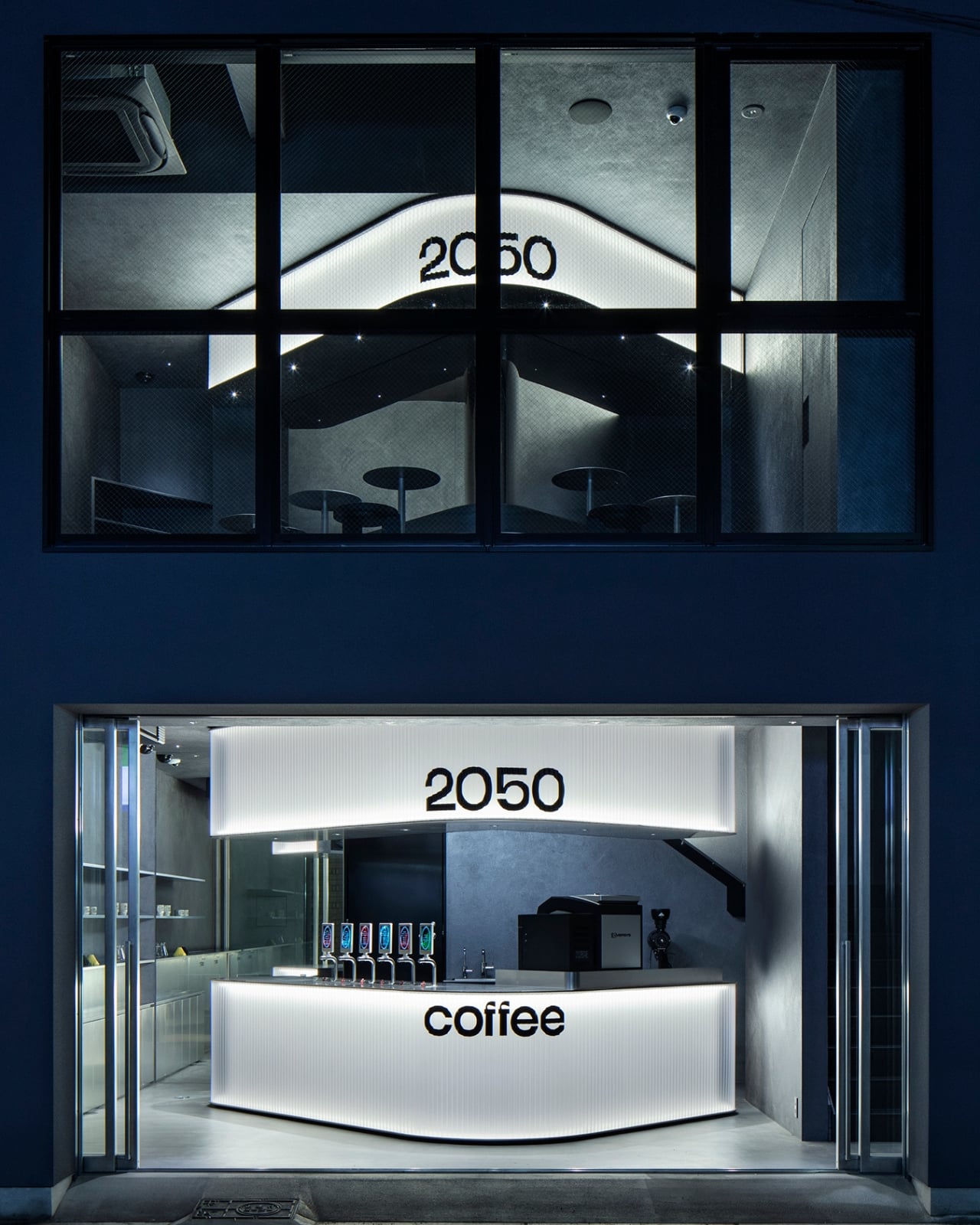
图文图集 · 6 张



本内容采集自海外公开设计资源「Yanko Design」。原作者/机构:Ida Torres。原文链接:https://www.yankodesign.com/2026/09/21/a-tiny-osaka-cafe-that-refuses-to-line-up-with-its-own-street/?utm_source=rss&utm_medium=rss&utm_campaign=a-tiny-osaka-cafe-that-refuses-to-line-up-with-its-ow