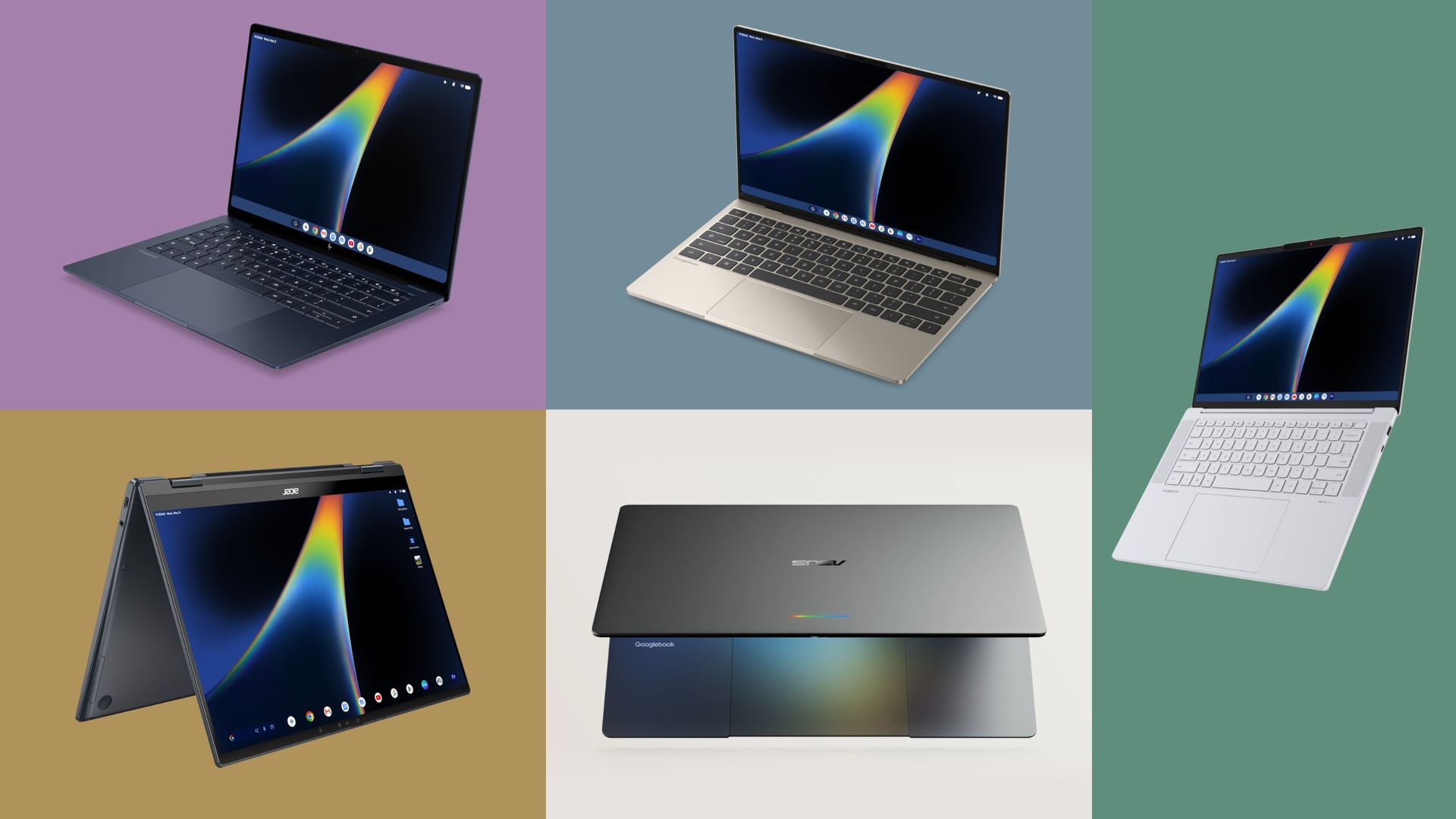
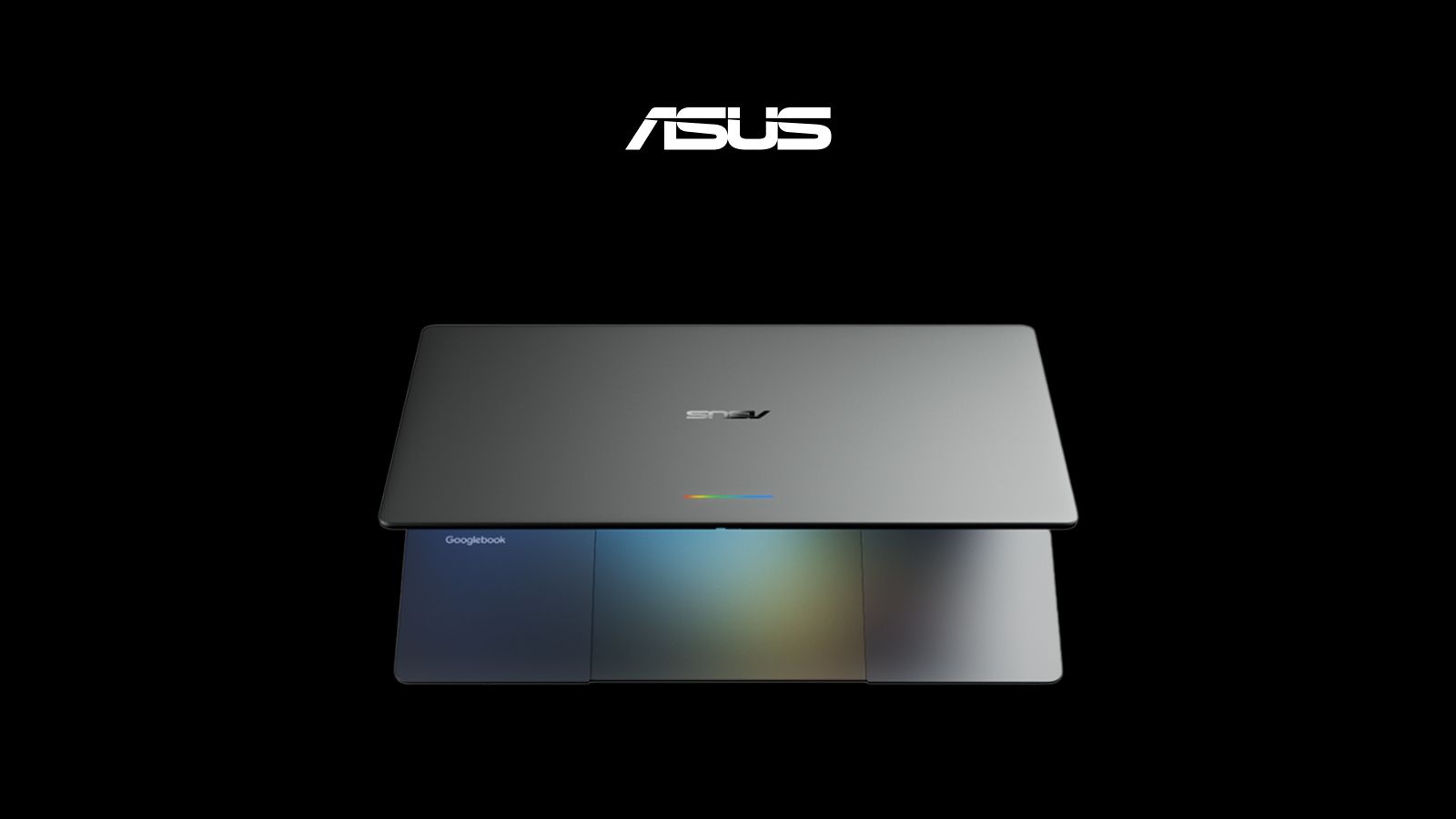
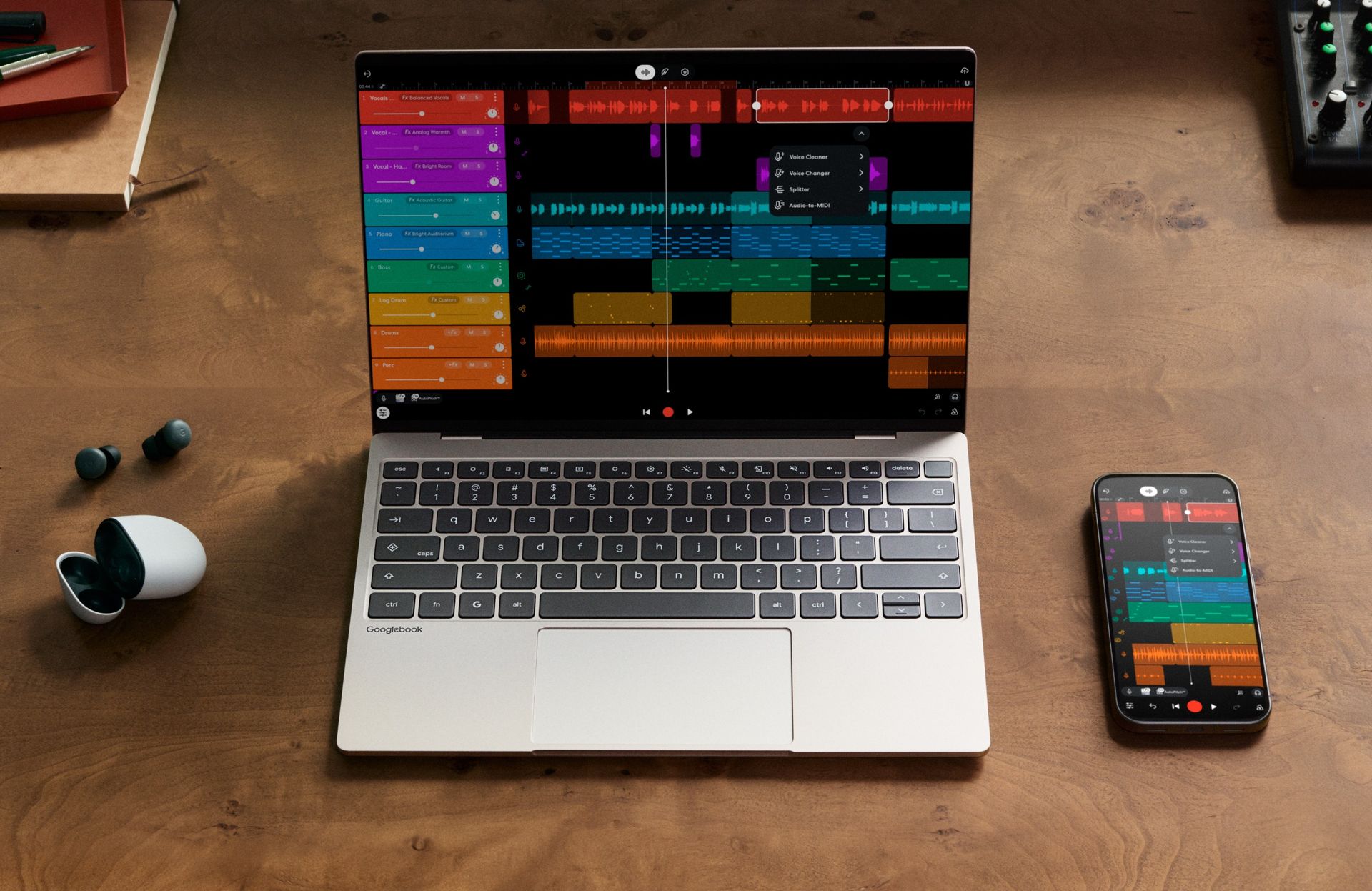
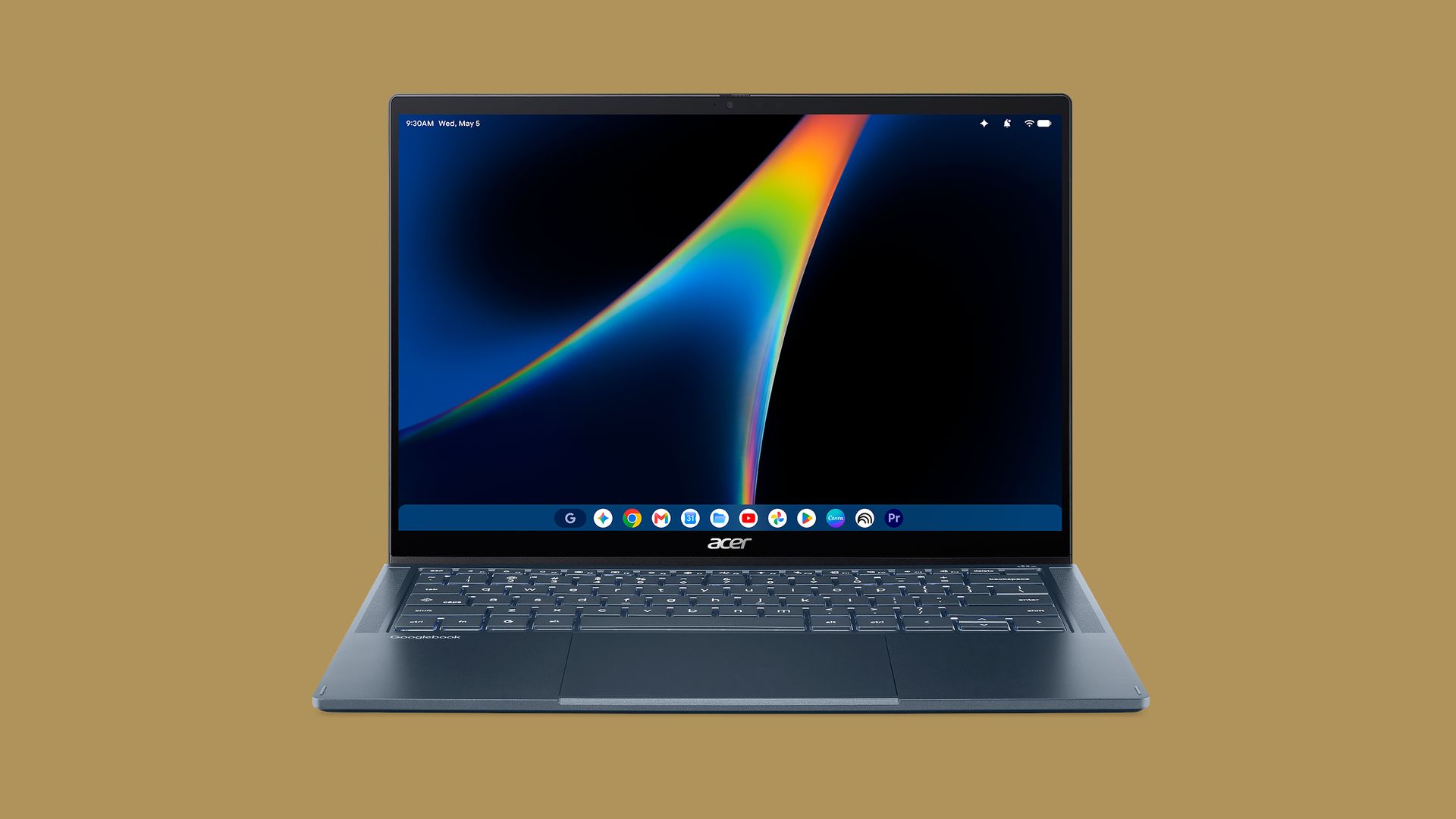
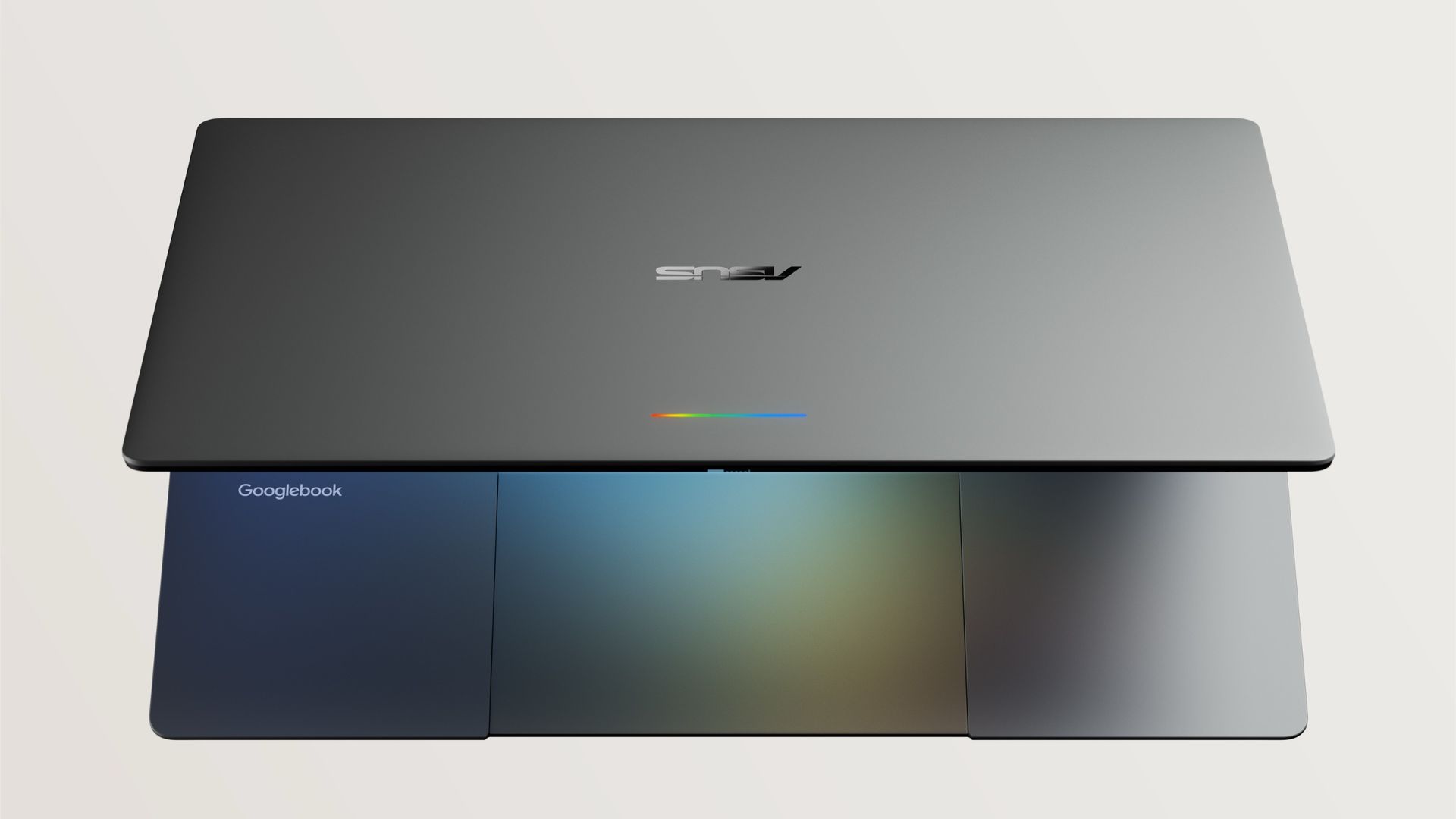
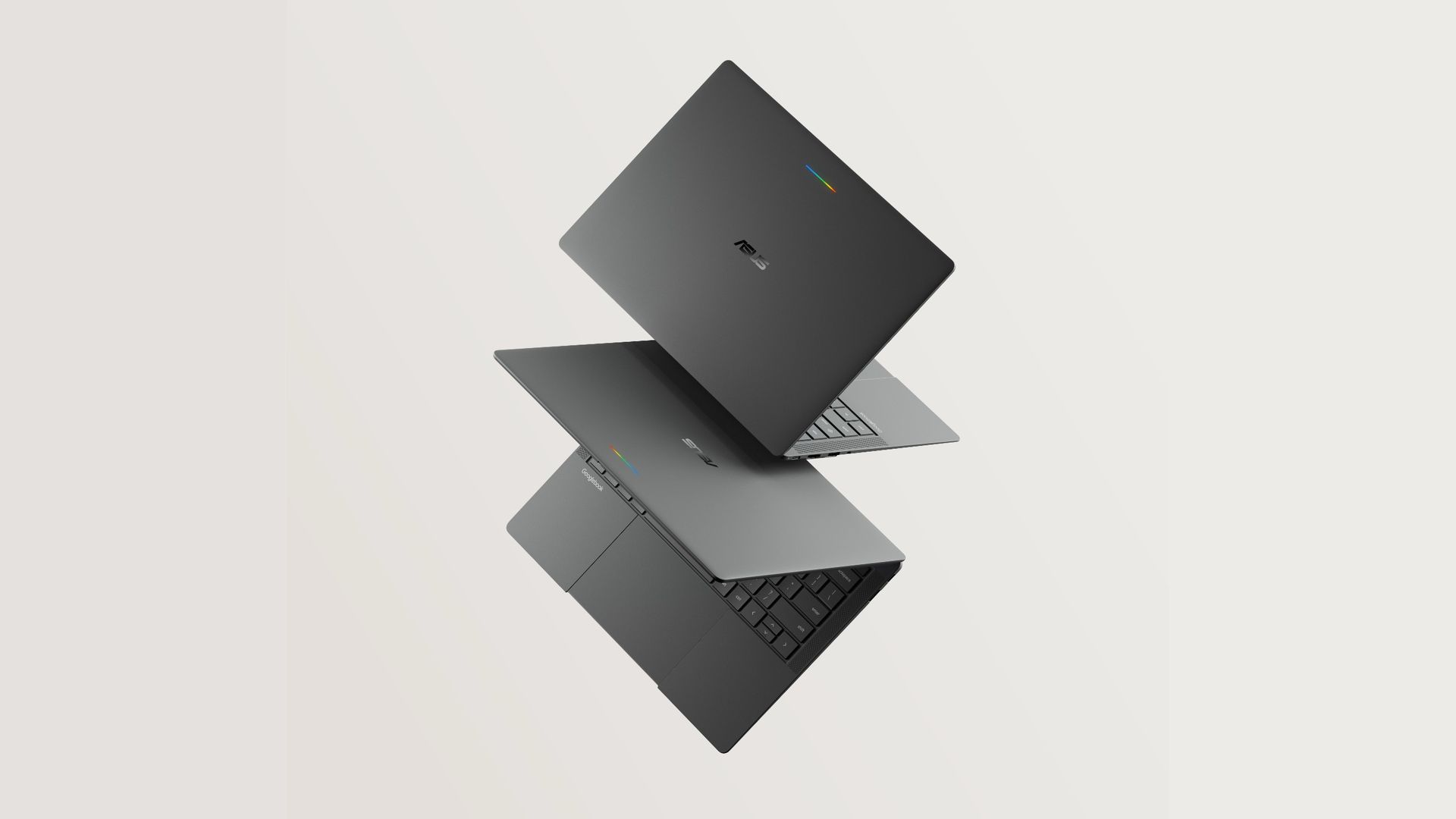
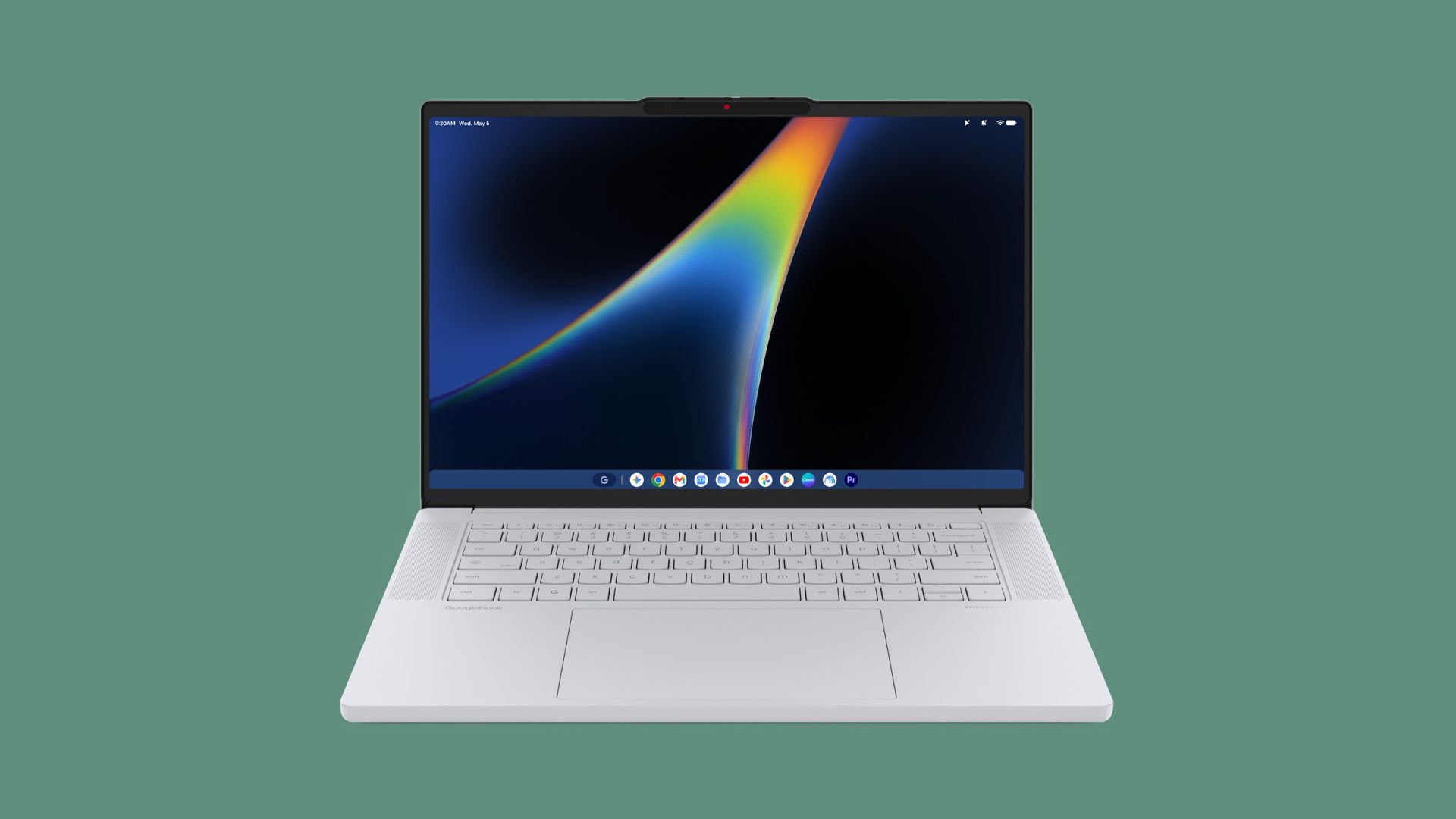
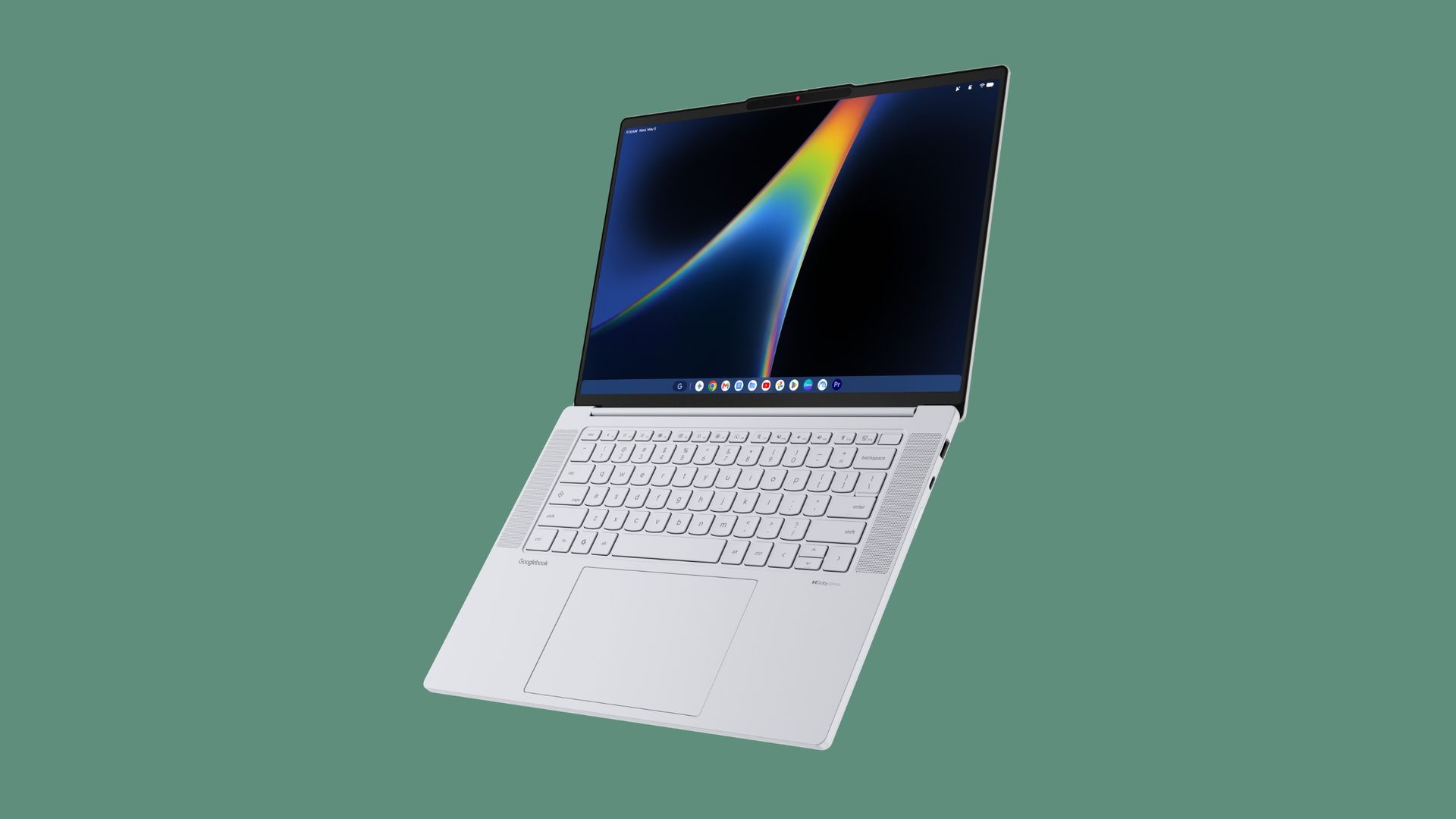
Asus Googlebook 14 (Image credit: Google)To counter this, Google is smooshing Android and ChromeOS even closer together than ever before, and launching the uprated and more sophisticated and flexible OS with a new kind of portable device, the Googlebook.
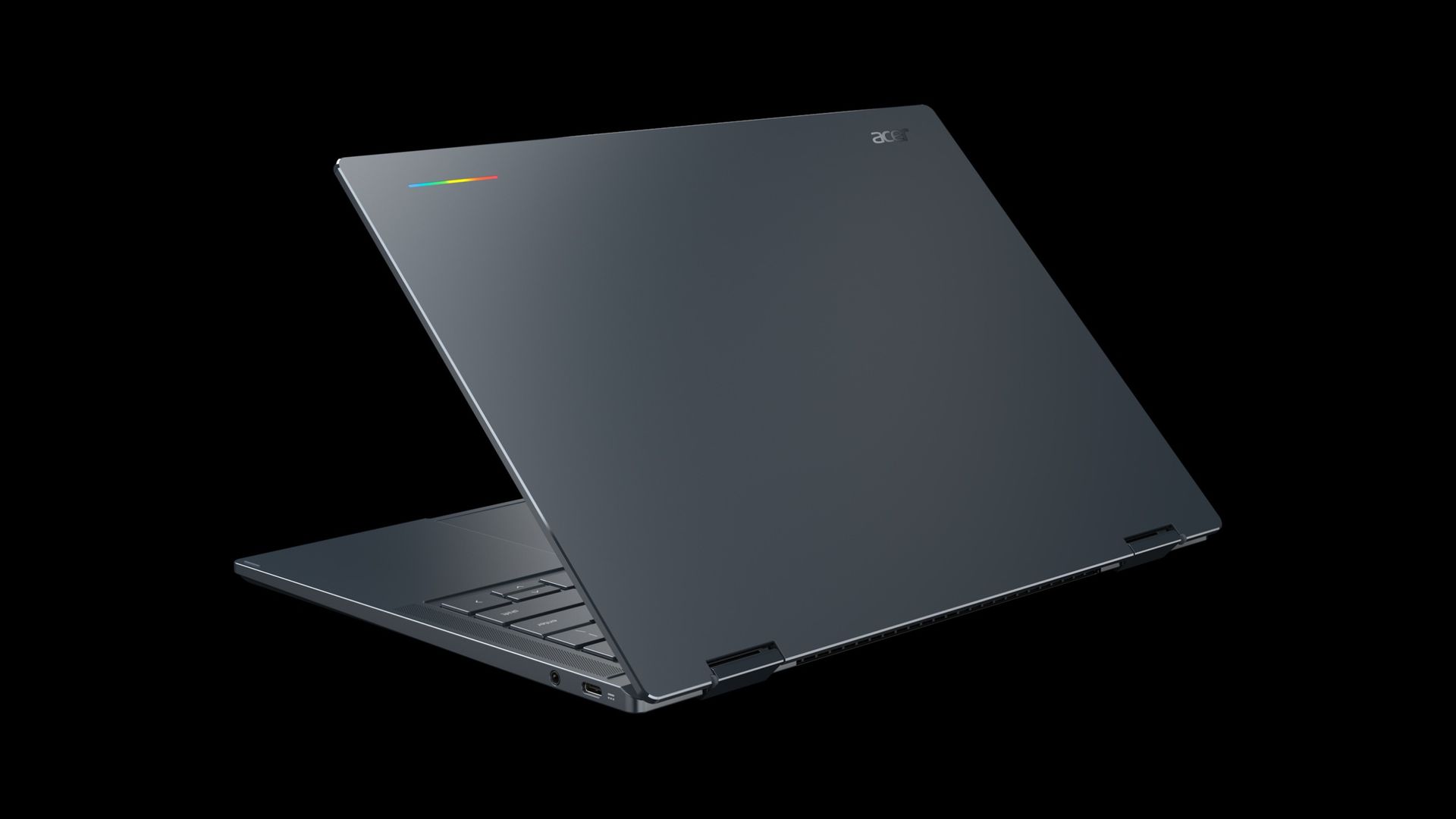
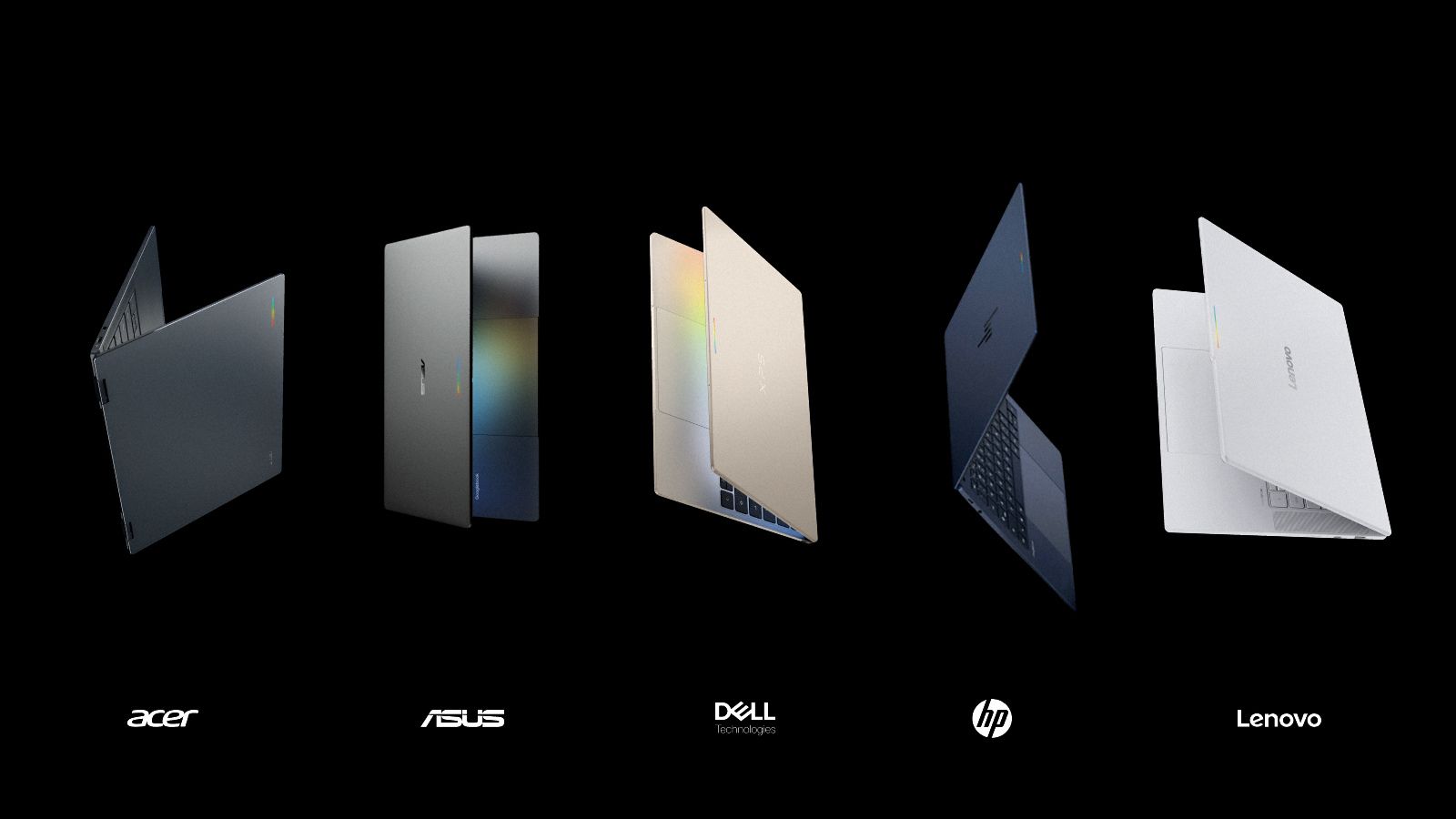
The company has form in hardware design – the original 2013 Chromebook Pixel was an elegant piece of kit, although it was probably sold at a loss to help grow the new OS’s footprint. However, to kick of the Googlebook era it has turned to five well-established laptop and Chromebook manufacturers.
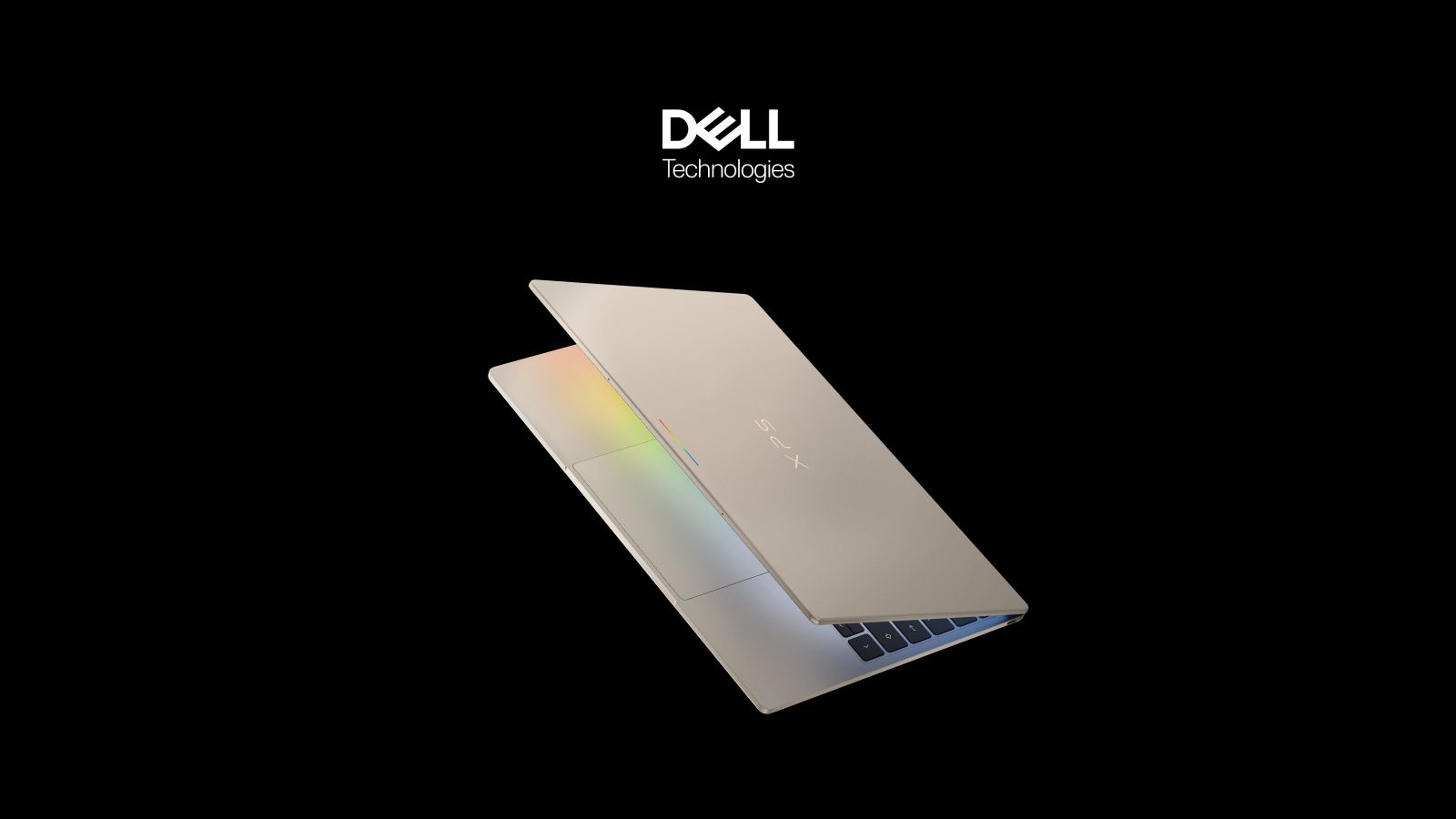
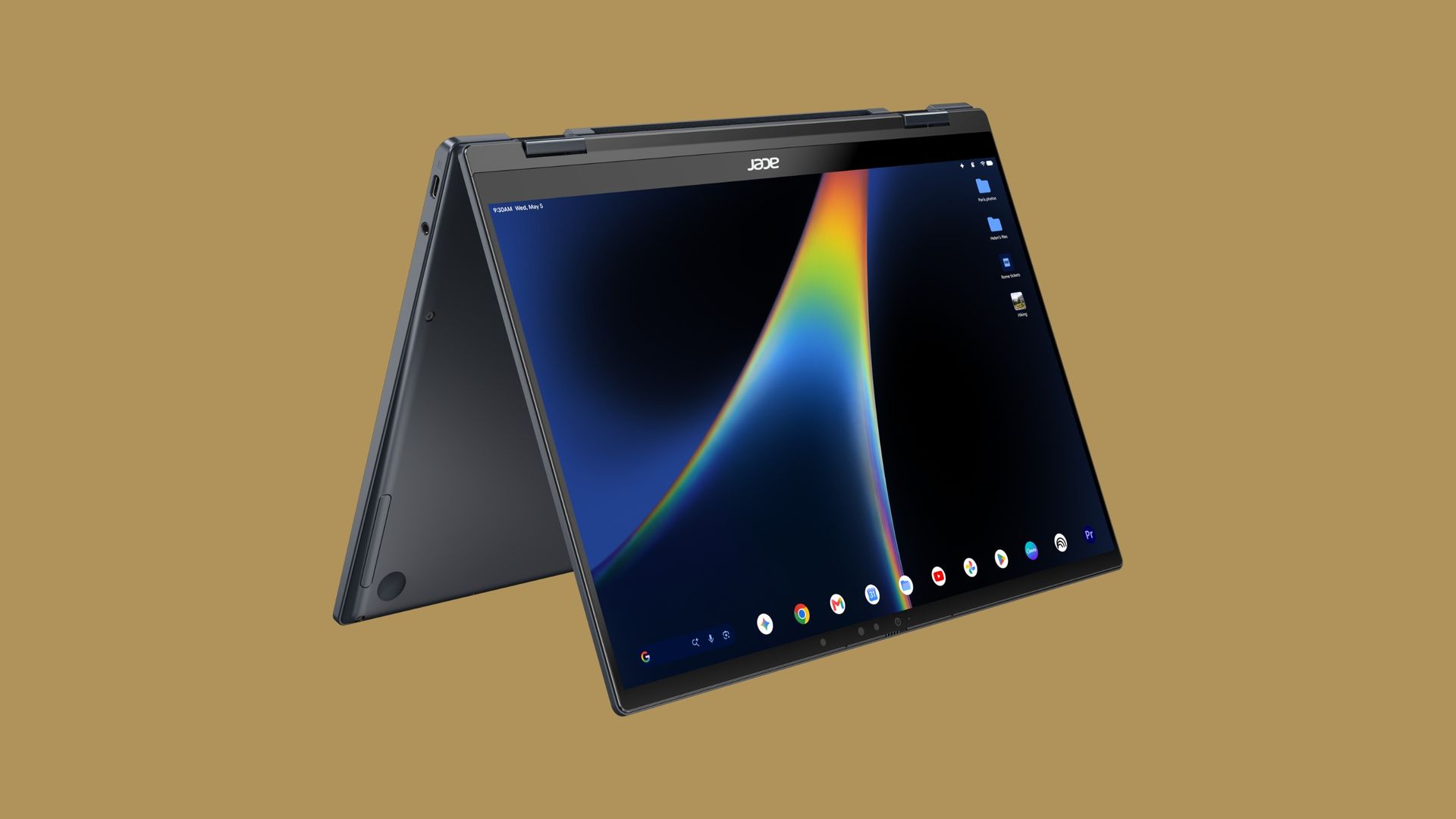
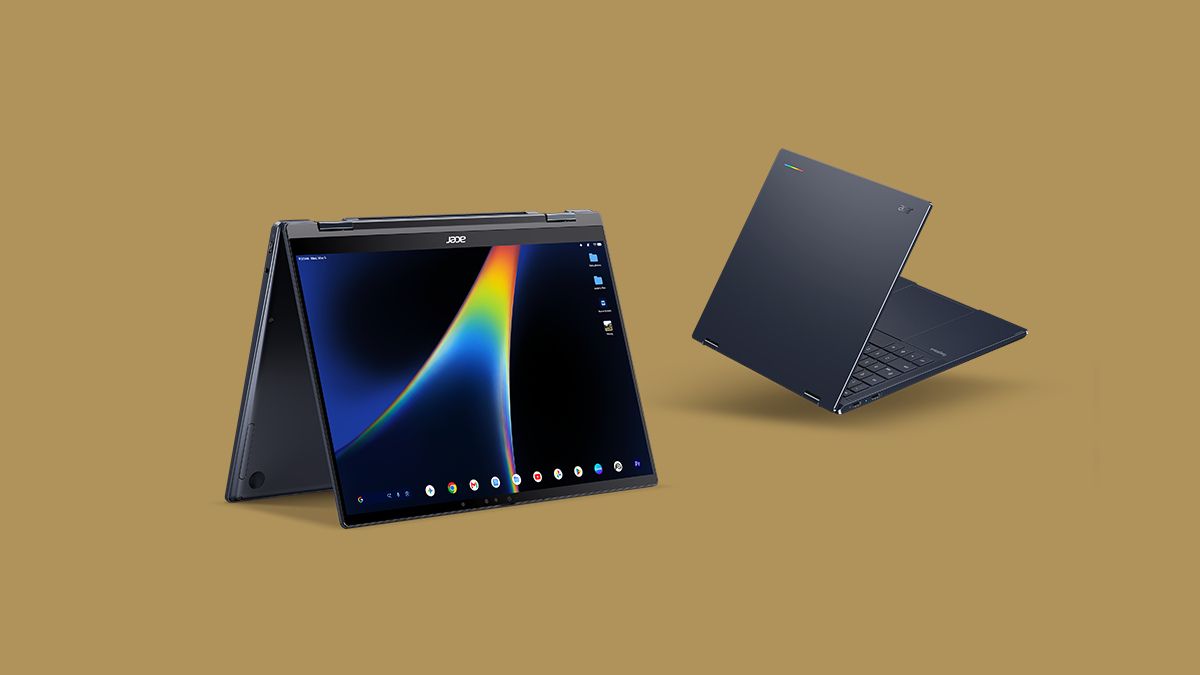
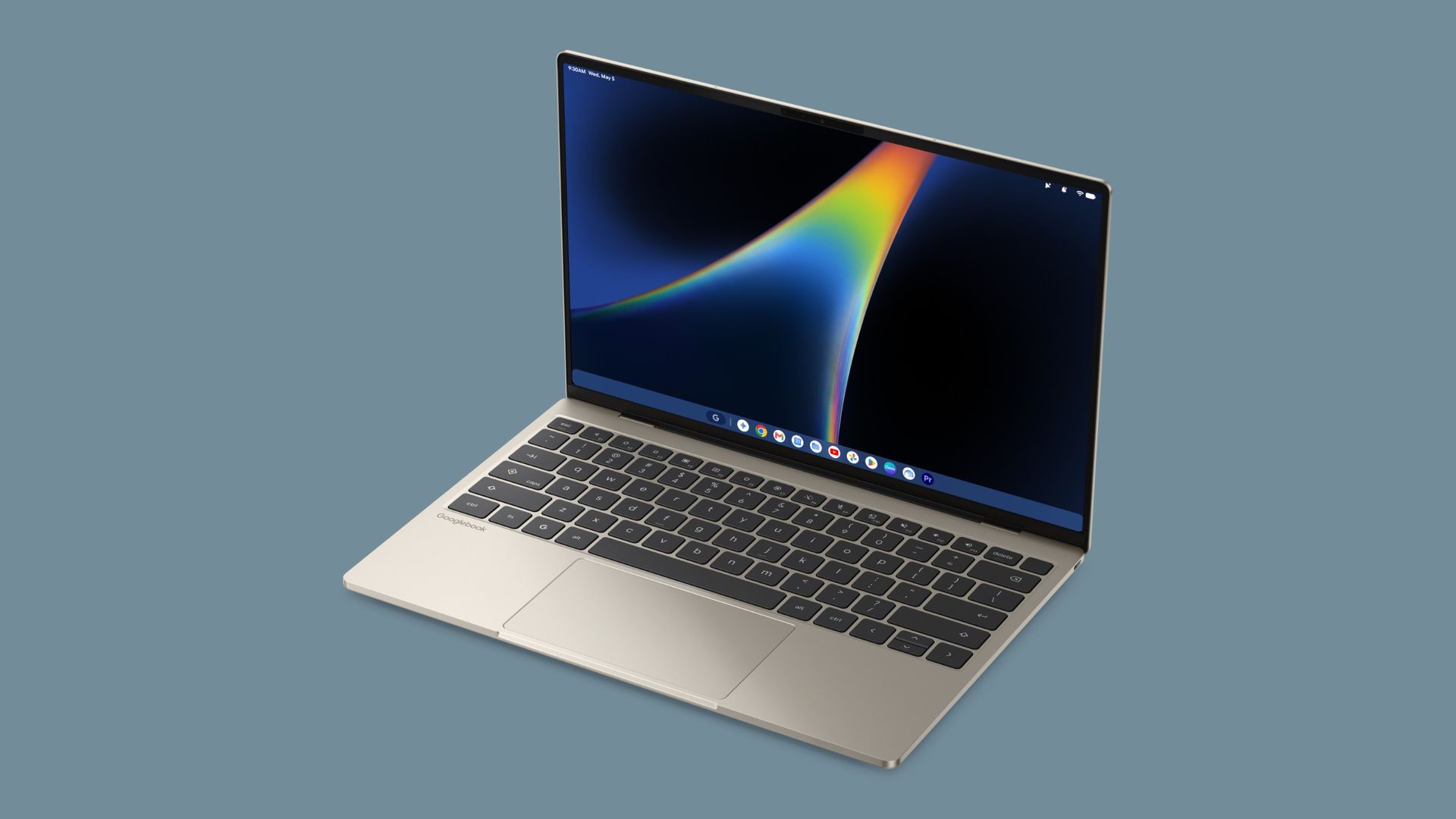
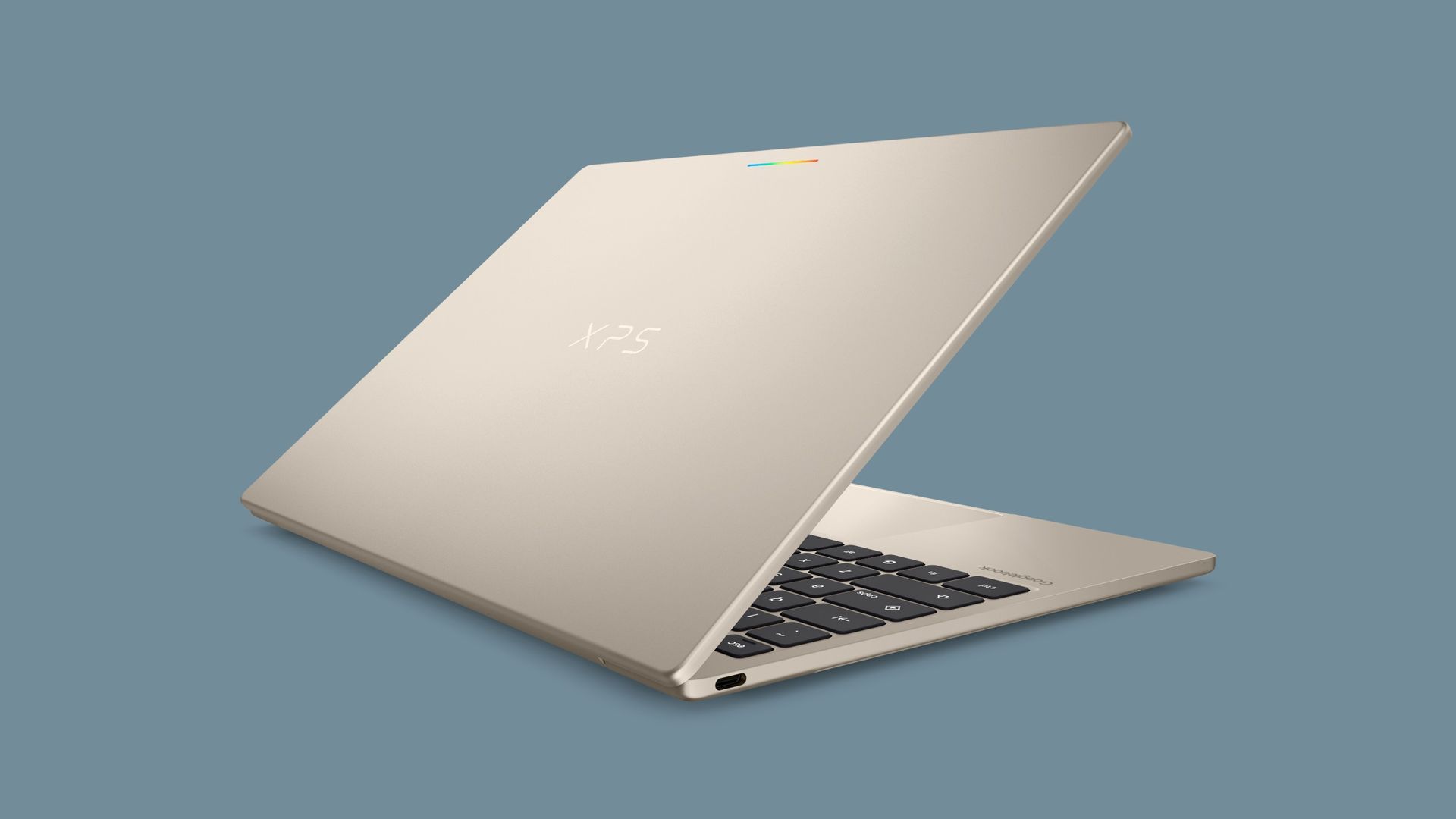
Dell XPS Googlebook (Image credit: Google)Hence today’s debut of five new devices from HP, Dell, Acer, Asus and Lenovo. Each manufacturer has played to their strengths, offering a variety of screen sizes and differently functionality. The headline quote is Google’s decision to move from an operating system to what it’s calling an 'intelligence system', ramping up the integrating between phone and laptop and increasing the latter’s ability to run in parity with all but the fastest desktop devices.
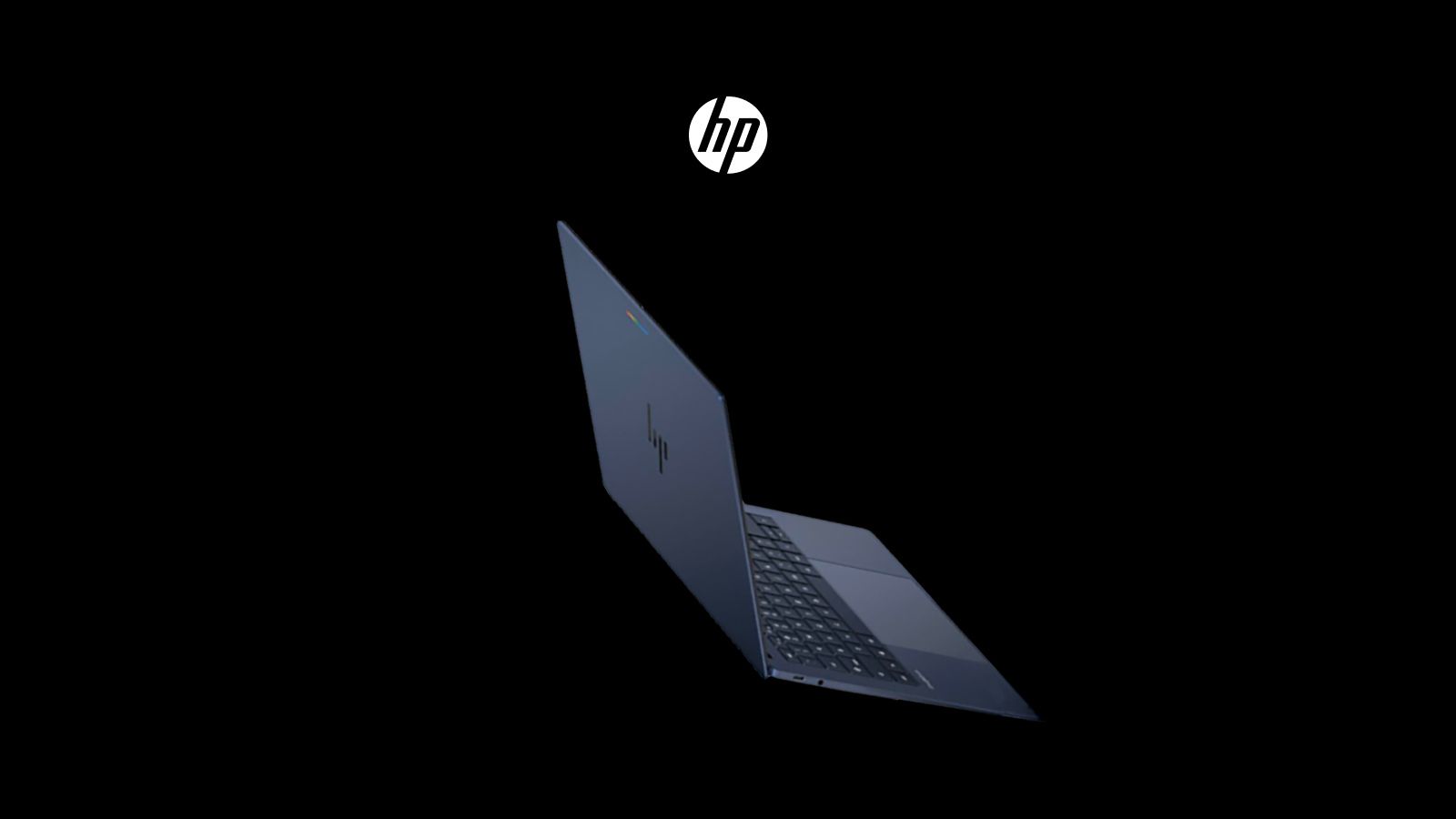
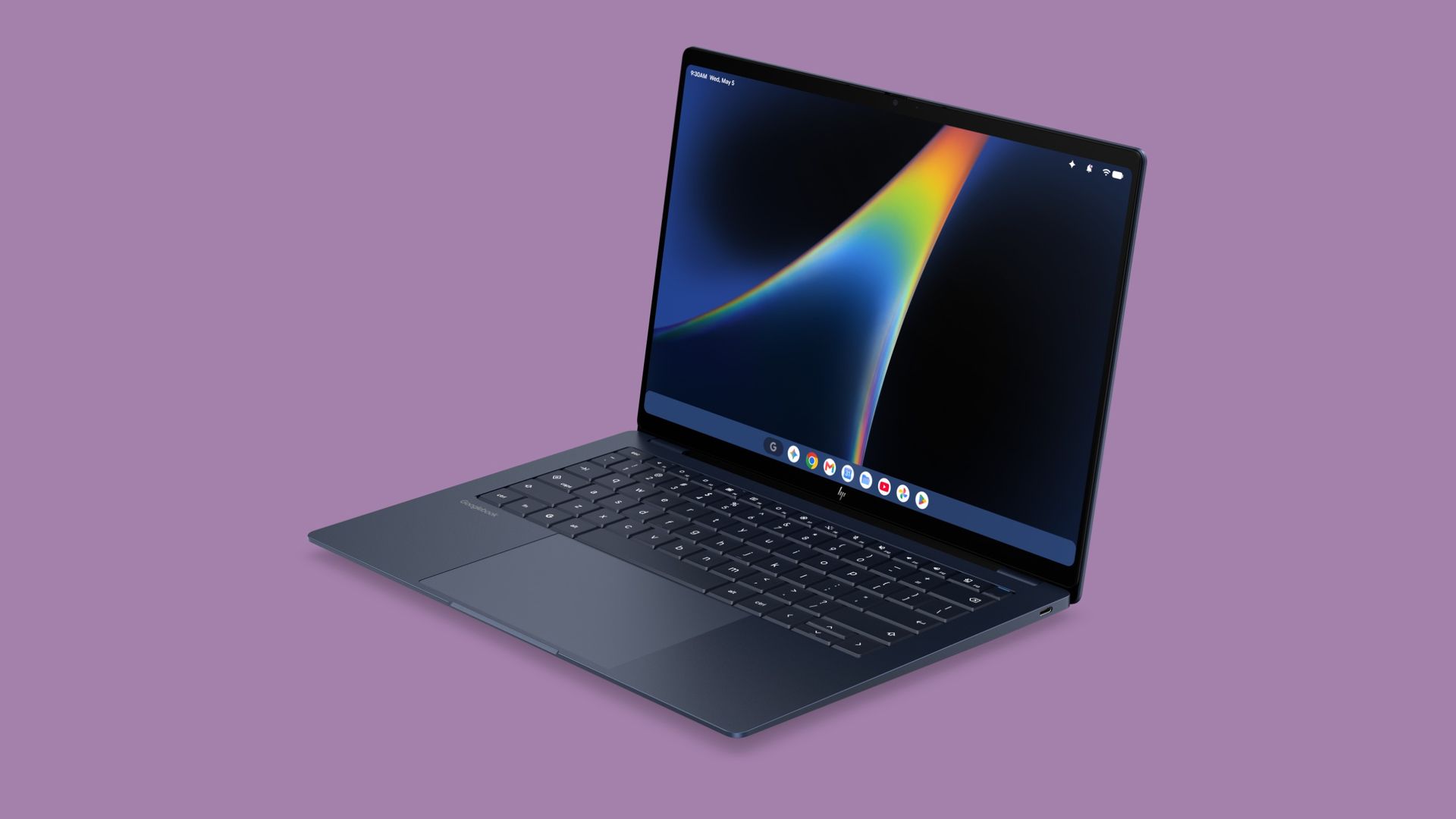
HP Googlebook 14 (Image credit: Google)To achieve this means new silicon, as well as uprated baseline specs and materials and finishes to help sugar the pill of a higher entry price. All five manufacturers have pulled out the stops to create flagship devices, with a baseline of 16GB Ram across the board, and the ability to specify up to 32GB. The silicon partners are Intel, Qualcomm and Mediatek and typical chipsets include the Intel Core Ultra Series 3 or Snapdragon X Elite processors.
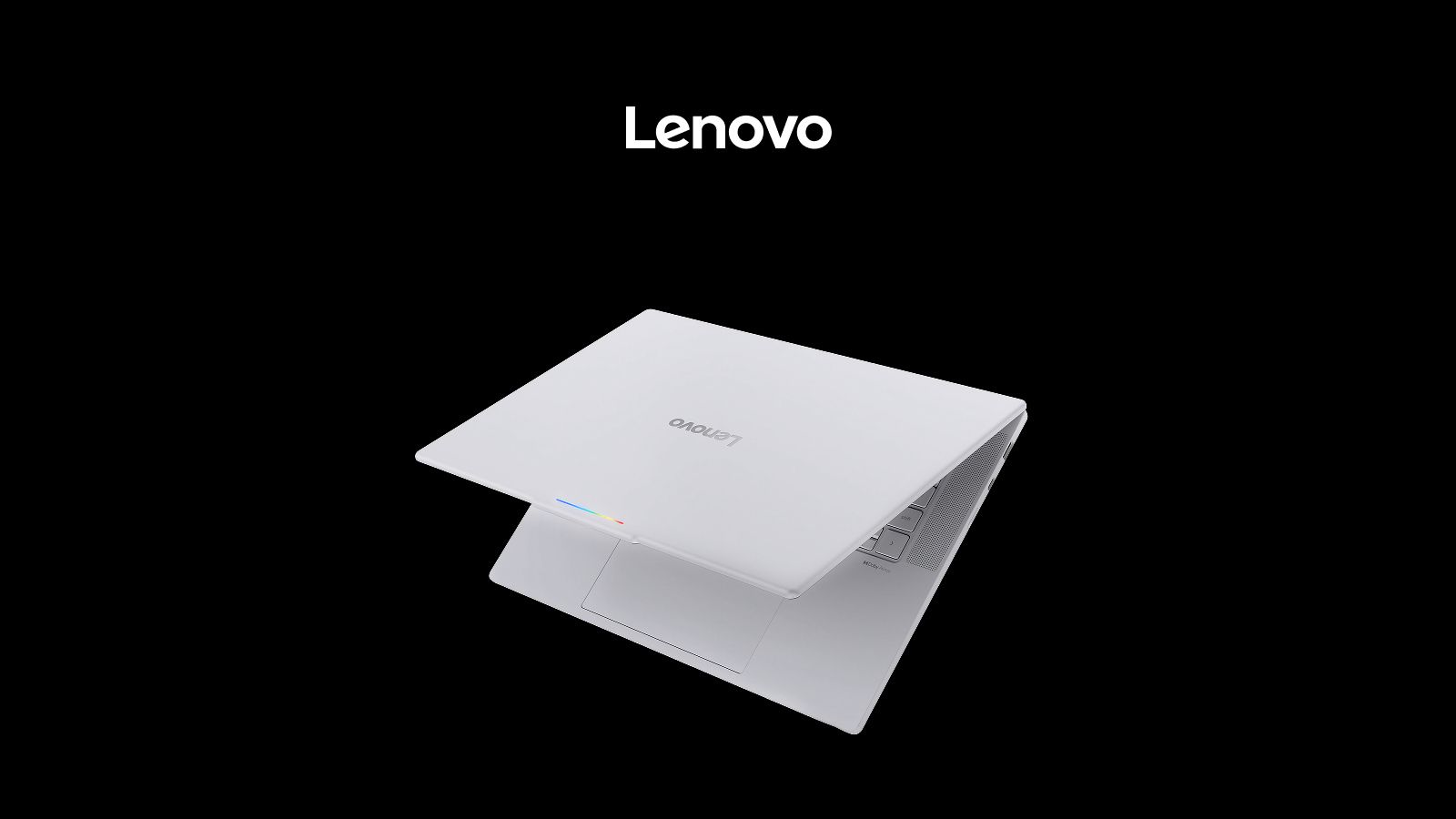
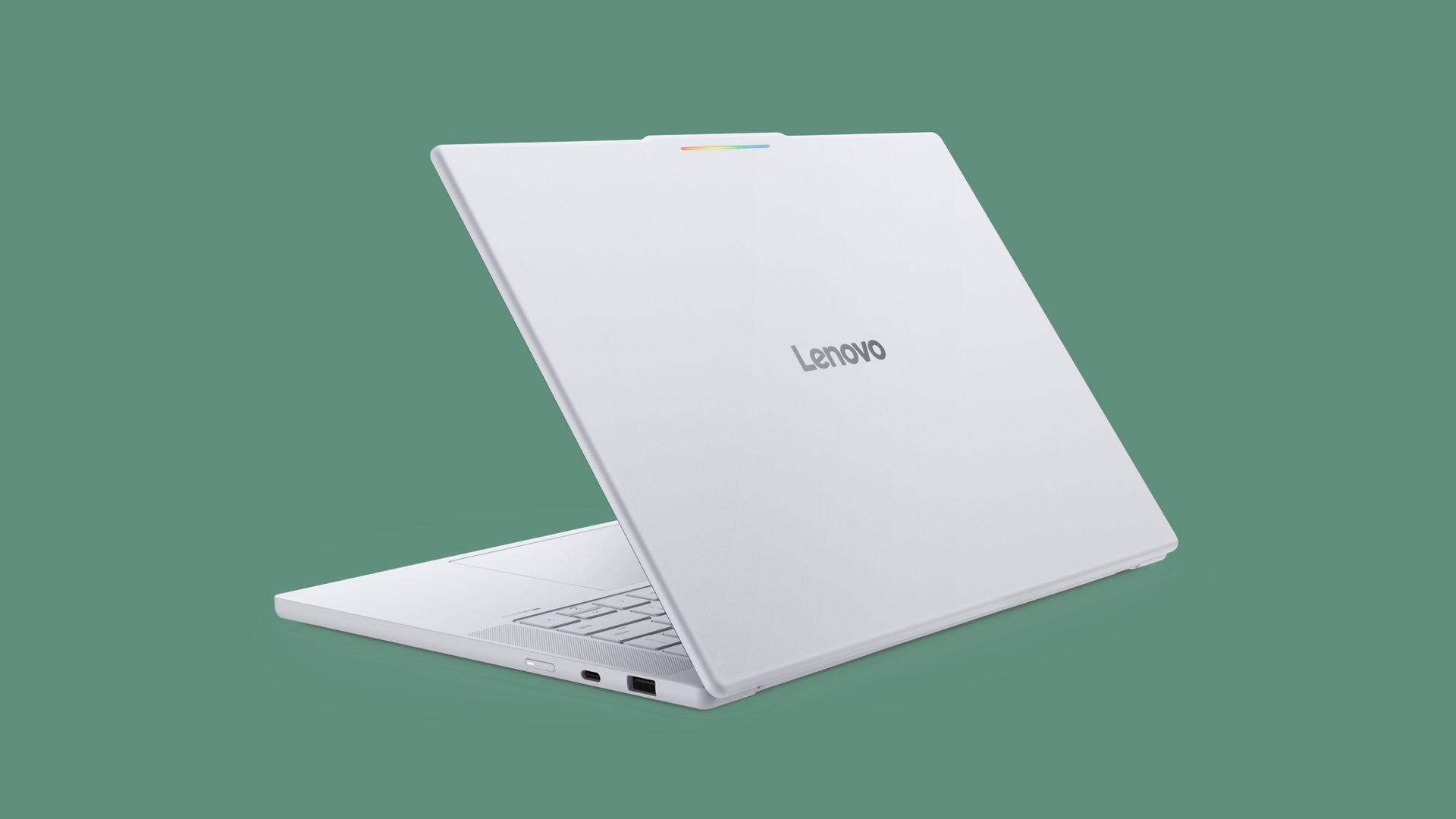
Lenovo Googlebook 15 (Image credit: Google)You also won’t be hugely surprised to learn that the Googlebook squad are heavily integrated with Google’s AI suite. Describing new features as ones that are 'actually helpful,’ whilst also admitting that to date ‘no-one has really got it quite right’, the five are designed to work online and off with common toolsets and agents from the likes of Claude, Codex and Google Antigravity.
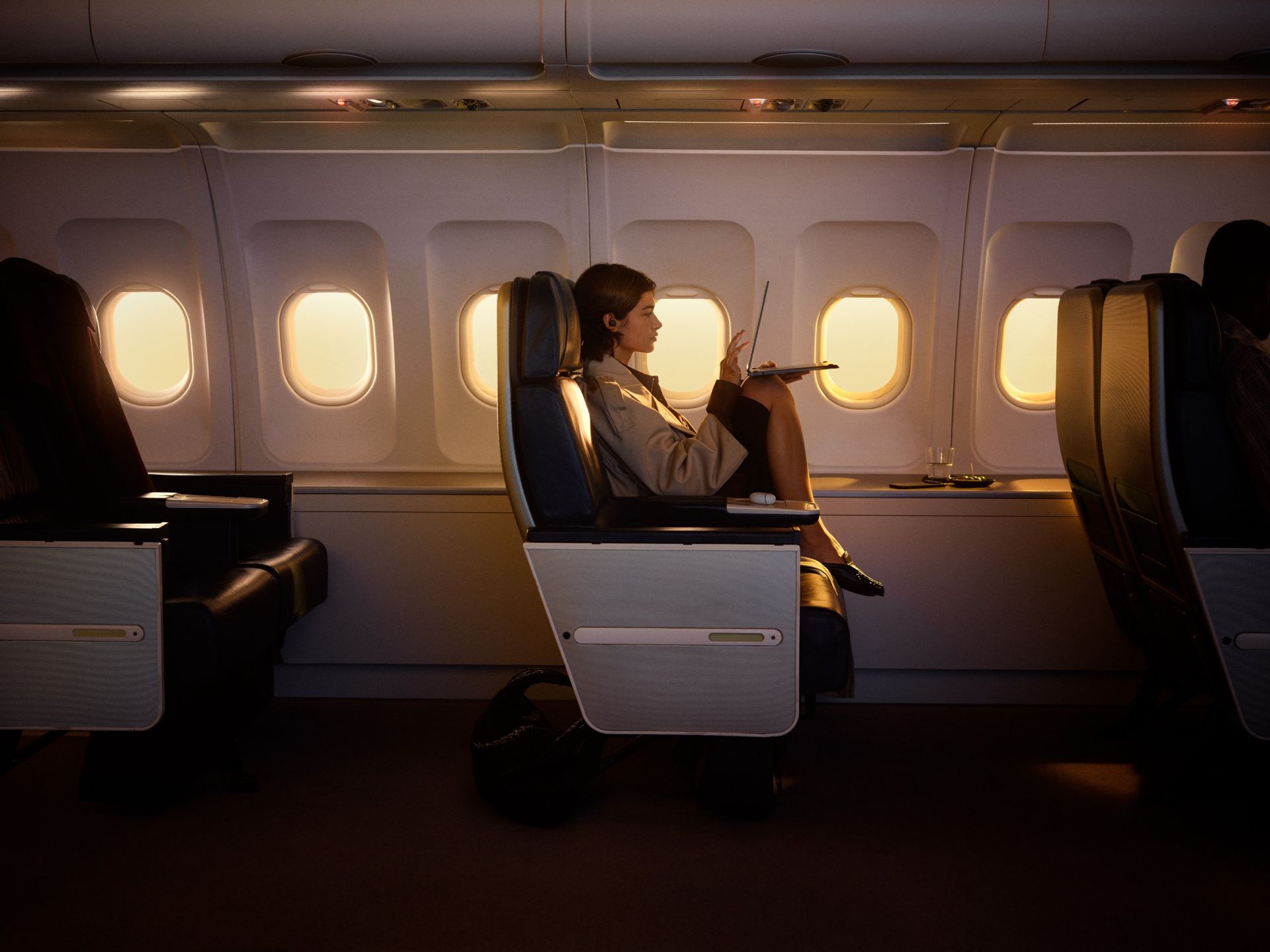
Google wants the Googlebook to usher in a new era of portable computing (Image credit: Google)The greater integration starts at system level, with features like a smart search that allows you to find pictures by content, not just file names, and context-aware cursors and selections. Available materials include aluminium, magnesium and carbon fibre, with ultra bright LCD and OLED displays up to 2.8k resolution.
Up to six speakers with Dolby Atmos are on offer, although most models are light on USB-C ports. All Googlebooks have a large trackpad in common, offering haptic feedback and gesture support as well as a fingerprint sensor.
The Googlebook is designed to enhance workflow between laptop and smartphone (Image credit: Google)Backlit keyboards offer a new layout, with a 'G' key as opposed to a Command or Windows key. Another innovation is the return of the ‘glowbar’ on the front lid (originally seen on the Chromebook Pixel), a slender LED strip that can indicate battery charging as well as other status and notifications displays. Battery life should be around 14 hours plus.
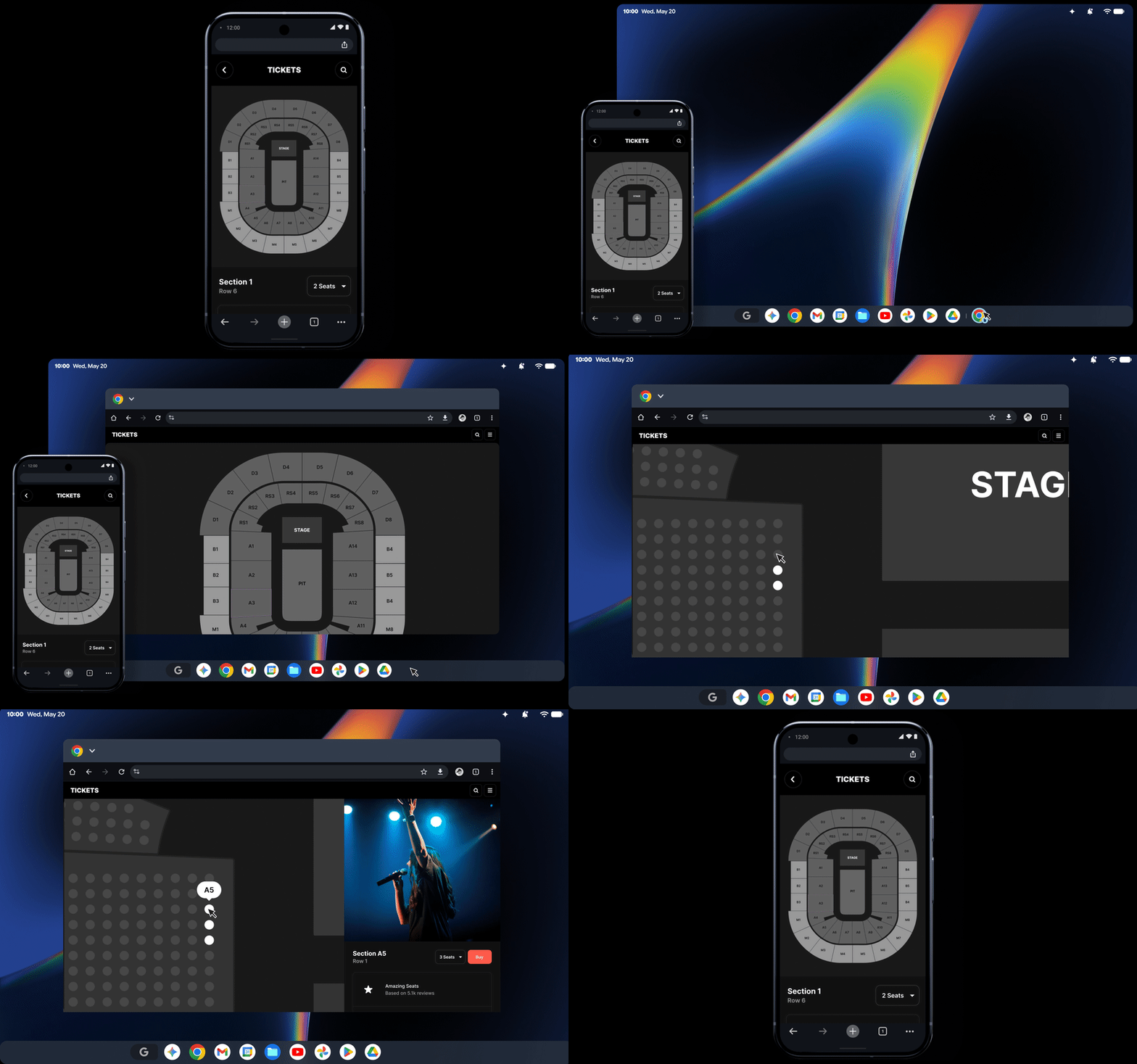
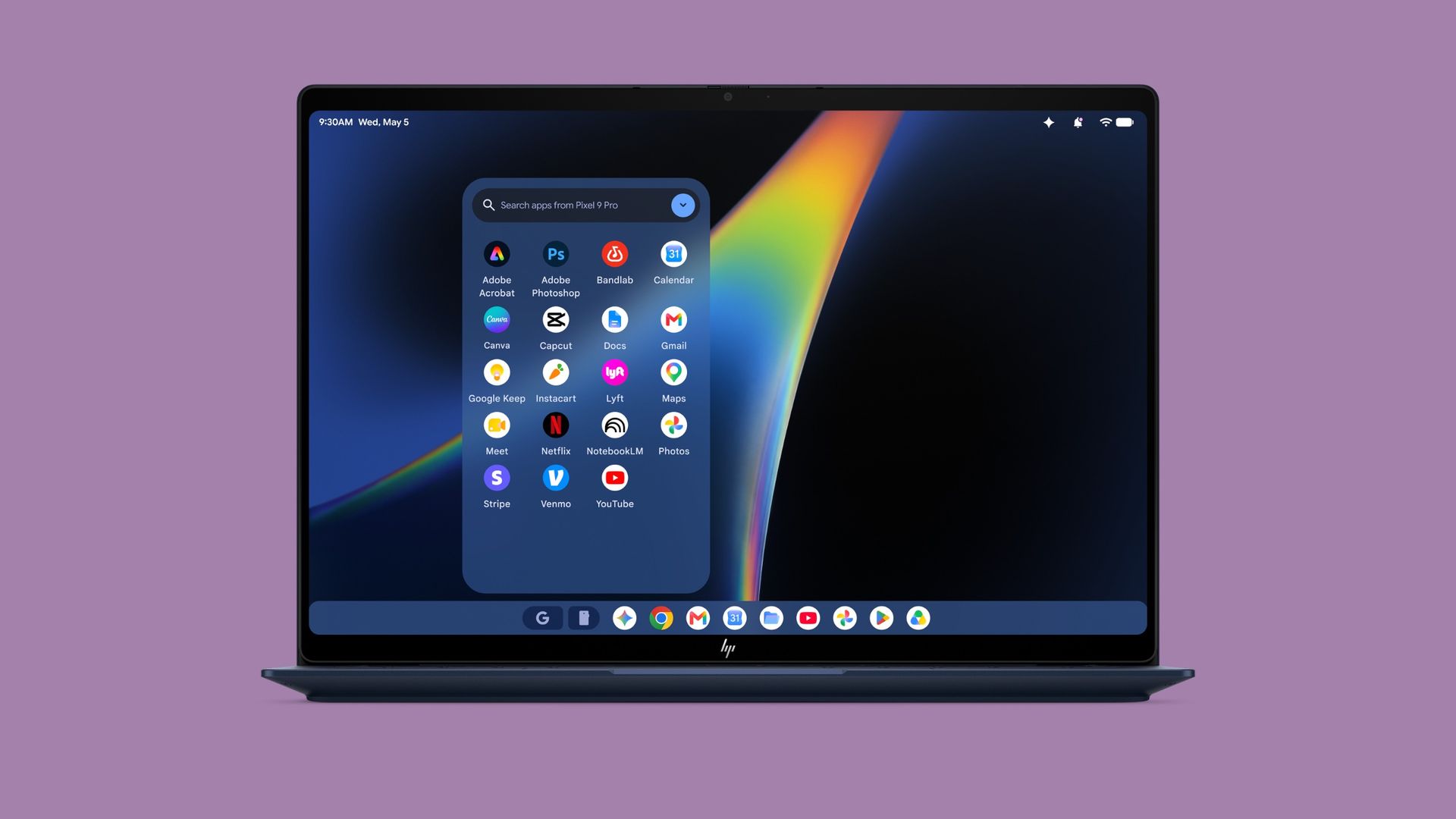
The 'Continue On' feature allows apps to run seamlessly between devices (Image credit: Google)For many users, the key USP is the Android inspired desktop set-up with direct access to all phone apps from the laptop, in addition to seamless hand-off between data and files and apps – the idea is you can literally move seamlessly from one device to the other, whether it’s browsing the web or using a specific app to pay for a service or find information. The five new Googlebooks announced today (Image credit: Google)The five new GooglebooksGoogleGoogleGoogleGoogleGoogleGoogleGoogleGoogleGoogleGoogleGoogleGoogle