Meta unveils lightweight VR glasses and camera-free AI glasses at Connect 2026
Meta has revealed slimline VR glasses for immersive entertainment on the go and an audio-only, camera-free version of its Ray-Ban glasses as the latest additions to its expanding product portfolio. Announced by CEO Mark Zuckerberg last night at the t


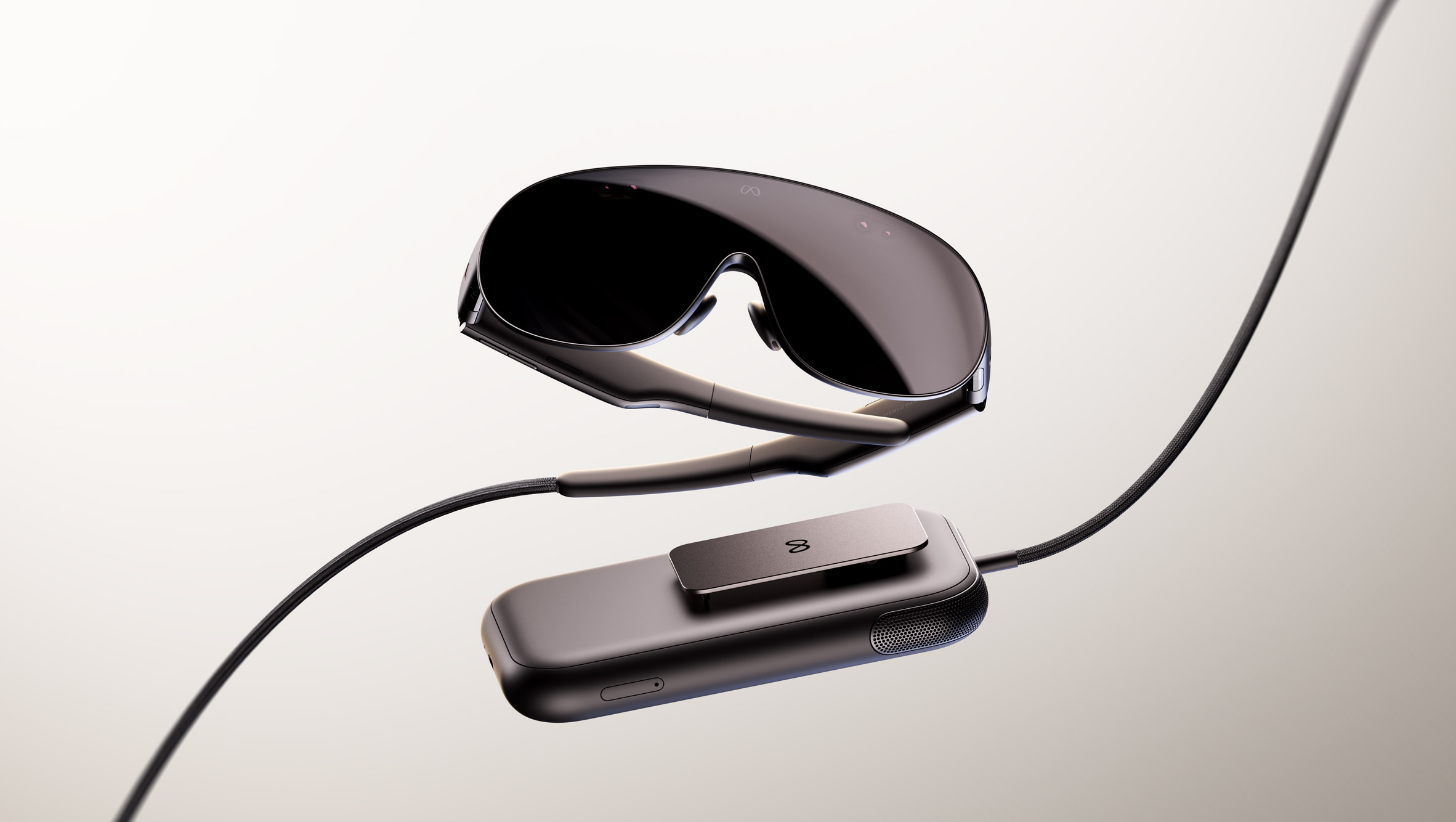
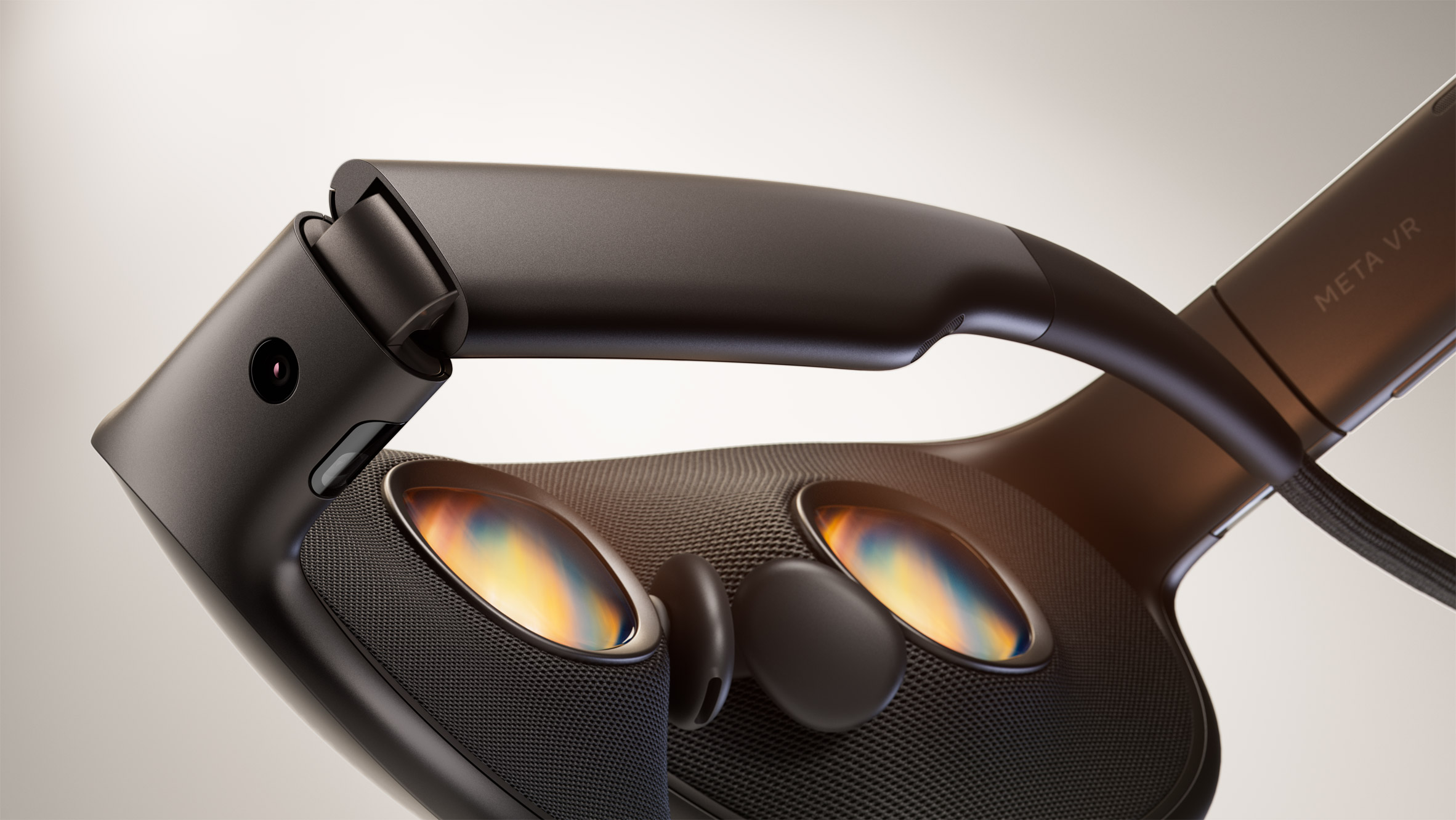
Meta has revealed slimline VR glasses for immersive entertainment on the go and an audio-only, camera-free version of its Ray-Ban glasses as the latest additions to its expanding product portfolio. Announced by CEO Mark Zuckerberg last night at the technology company's annual Connect conference, the Meta VR Glasses and Ray-Ban Meta Audio glasses expand its market-leading range of eyewear and headsets. The Meta VR Glasses represent the bigger breakthrough, bringing virtual-reality gaming, 3D movies and other immersive digital experiences into a form factor only slightly larger than an ordinary pair of glasses. This allows them to be worn for longer than current headsets and carried on the daily commute, as people might do with a pair of over-ear headphones. Meta says it achieved the lightweight construction by splitting the architecture into two: the glasses, weighing about 100 grams, plus an attached "puck" that clips onto a pocket or bag and handles the processing. Also key are the glasses' ultra-compact pancake lenses, which are about the size of a Scrabble tile and are fixed within a soft mesh structure on the inside of the frames. The wearer manually shifts these lenses to sit directly in front of their eye, filling everything but their peripheral view with a 5K display. This micro-OLED display offers angular resolution of 37 pixels per degree – more than Meta's current market-leading Quest VR headsets and enough to deliver crisp text and rich imagery. The Meta VR Glasses can be used to play games or watch entertainment from the Meta Quest platform, including movies recorded in or converted to 3D. There are also new immersive formats that Meta is pioneering, like "immersive sports" streamed in ultra-high definition from the edge of the playing field at live events. Users navigate the operating system using their eyes, voice and natural hand gestures like swiping and pinching, without having to use controllers – in some cases even to play entire games. Meta also envisions the VR Glasses being used for work. Using full-colour passthrough – the view of the world in front of the glasses that's captured through its outward-facing cameras – wearers can turn any table surface into a keyboard and touchpad and surround themselves with multiple virtual screens from their Mac or PC. The VR Glasses will deliver up to three hours of continuous media playback from the battery on the puck. Meta expects to put the device on sale in spring 2027. Unlike the rest of Meta's eyewear offering, the VR glasses are not intended to be worn all the time or to be used primarily for AI assistance, although the company's new Muse AI will be built-in. The use of Meta's AI glasses out on the street has earned them the nickname of "pervert glasses", due to various documented incidents of men using the barely visible camera to covertly film women. Surveillance concerns were also amplified after a Swedish news investigation revealed that videos captured by wearers' cameras – including highly sensitive ones where they were nude or having sex – were being streamed to subcontractors in Kenya. 
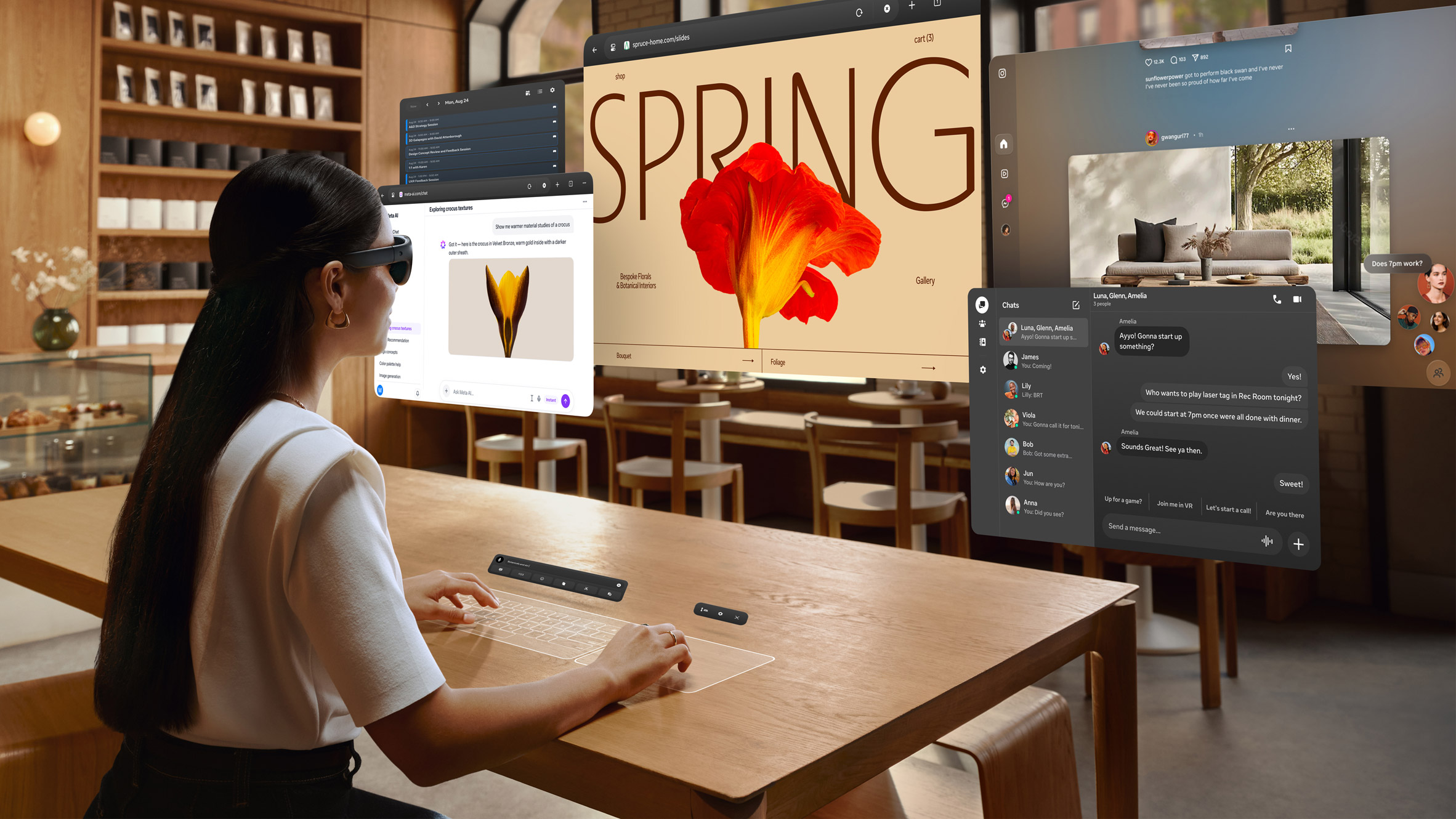
The VR Glasses are for work as well as play
Ultra-compact lenses deliver high-resolution viewing
They have a two-part architecture with an attached puck
Meta's VR Glasses are slimmed down from previous headset form factors
图文图集 · 12 张



本内容采集自海外公开设计资源「Dezeen」。原作者/机构:Rima Sabina Aouf。原文链接:https://www.dezeen.com/2026/09/24/meta-vr-glasses-audio-ai-glasses-connect-2026/。授权说明:RSS 公开聚合输出,版权归 Dezeen 及原作者所有;本站仅引用标题、摘要与原图链接,用于学习交流。。本站仅作学习参考,图片以原链接方式引用、未加水印、未二次分发;版权归原作者所有。