Couple Uses Leftover Fence Pickets to Hide a Flower Pot Without Repotting the Plant
采集自 Homedit
项目图集 · 4 张
点击图片查看大图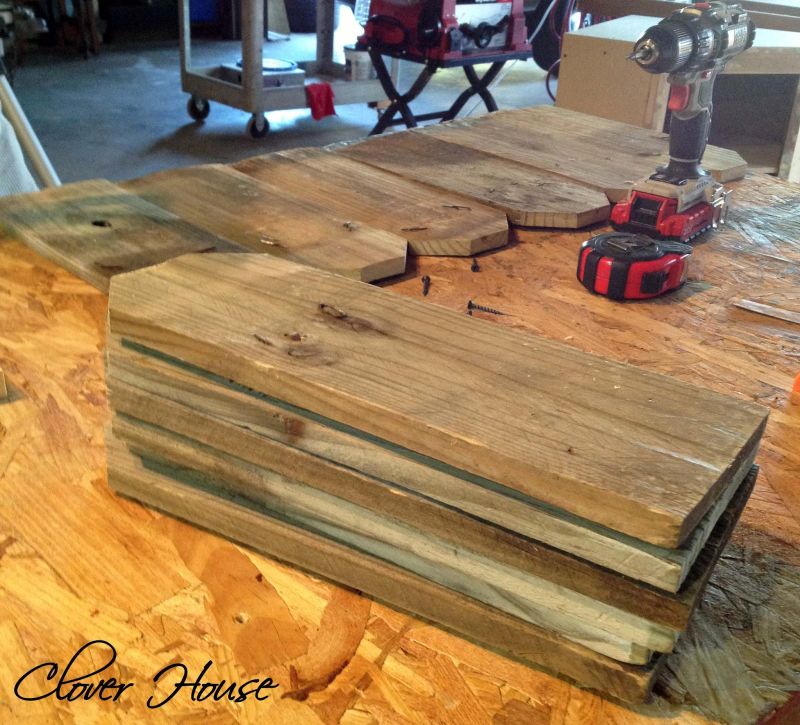 1
1
 2
2
 3
3
 4
4
项目信息
- 设计风格
- —
- 项目面积
- —
- 空间户型
- —
- 功能场景
- —
- 色彩搭配
- —
- 材质运用
- —
案例概述
Leftover fence pickets from an outdoor project gave one couple enough wood for another build. Instead of tossing the short pieces, they used them to disguise a flower pot that was already planted. Dee from Our Clover House came up with the idea after she and her husband had scraps left from building a fence-picket... The post Couple Uses Leftover Fence Pickets to Hide a Flower Pot Without Repotting the Plant appeared first on Homedit.
设计理念
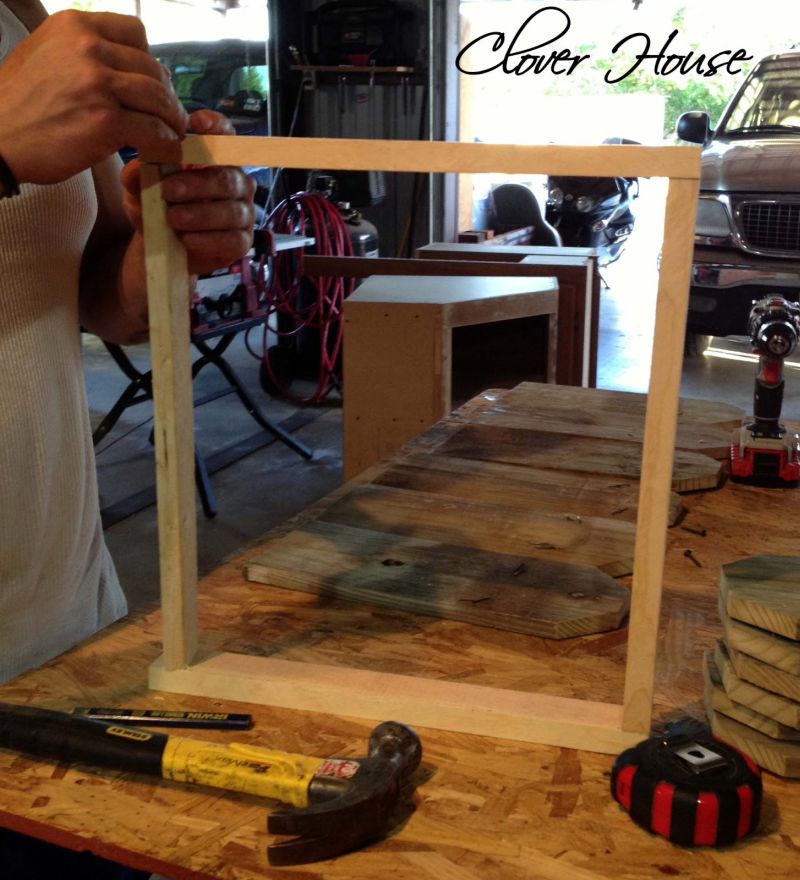
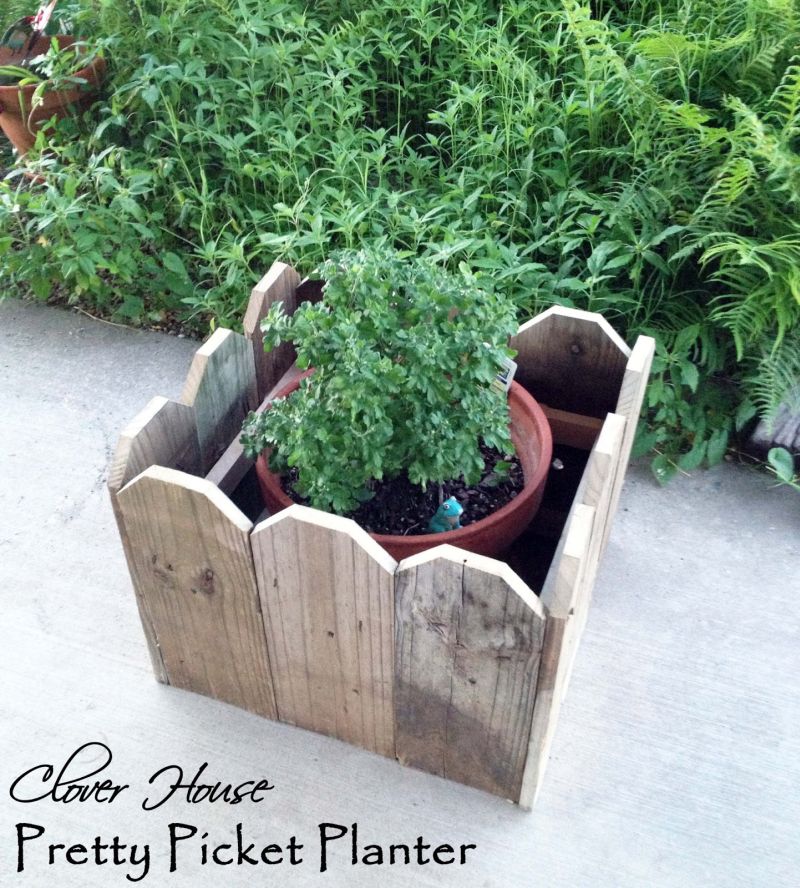
Leftover fence pickets from an outdoor project gave one couple enough wood for another build. Instead of tossing the short pieces, they used them to disguise a flower pot that was already planted. @Our Clover House Dee from Our Clover House came up with the idea after she and her husband had scraps left from building a fence-picket A/C cover. She prepared the boards, while her husband helped construct the support needed to hold them together. The finished piece resembles a small section of fencing wrapped around the plant. It has no bottom and slips over the existing container, leaving the plant and soil untouched. Short scraps become matching pickets @Our Clover House Each leftover piece was cut to 14 inches. The upper corners were then trimmed at an angle to recreate the pointed profile found on the full-size fencing from the earlier project. The design required 12 pieces, with three assigned to each side. Knots, grain, and changes in tone remain visible across the wood rather than being concealed under a new finish. Scrap lumber creates the inner support @Our Clover House Pieces from the wood pile form a square behind the exterior boards. Two were cut to 14 7/8 inches and two to 15 inches, dimensions based on the combined width of three pickets. Those measurements are specific to the material used here. Anyone recreating the project would need to place three boards side by side first, then size the support to match their width. Three boards cover each side @Our Clover House The pointed boards sit against the outside of the square support, with their lower edges lined up and their tops extending above it. Repeating the arrangement on four sides creates the appearance of a miniature fence. Narrow seams between the boards reinforce that effect. Once assembled, most of the newer lumber sits out of view behind the weathered exterior. Adhesive and fasteners prepare it for the patio @Our Clover House Construction adhesive was applied where the wood pieces meet, adding another connection before the mechanical fasteners went in. The project was intended to remain outdoors in Texas weather, so the couple wanted the joints to hold up outside. An air nail gun secured the boards from the front and back. A few wood screws added more reinforcement at the connection points. Four sides complete the enclosure @Our Clover House With all 12 pieces attached, the square enclosure can stand on its own without a base. The repeated peaks create a continuous fence line around the top instead of the straight rim found on most planter boxes. Leaving the bottom open is central to the idea. Rather than filling the wood box with soil, the finished piece can be lowered over a container that is already in use. Terracotta pot stays right where it is @Our Clover House The terracotta pot fits inside with its plant and soil intact. Most of the container disappears behind the wood, while the foliage rises above the pointed edge. Adding a bottom and plastic liner could turn the same concept into a planter. Keeping it open makes the enclosure removable, so it can cover another compatible pot when plants or patio arrangements change. We like the idea of giving leftover wood another use instead of replacing the flower pot. Would you try this with fence scraps or another type of wood? Image credits go to @Our Clover House. The post Couple Uses Leftover Fence Pickets to Hide a Flower Pot Without Repotting the Plant appeared first on Homedit.
本内容采集自海外公开设计资源「Homedit」。原作者/机构:Stefan Gheorghe。原文链接:https://www.homedit.com/couple-uses-leftover-fence-pickets-to-hide-a-flower-pot-without-repotting-the-plant/。授权说明:RSS 公开聚合输出,版权归 Homedit 及原作者所有;仅引用标题、摘要与原图链接。。本站仅作学习参考,图片以原链接方式引用、未加水印、未二次分发;版权归原作者所有
趋势对标 · 相关资讯

SOBO wraps paris listening restaurant in oak, vintage furniture, and acoustic panels
a paris restaurant turns into an intimate plant-base…
SOBO wraps paris listening restaurant in oak, vintage furniture, and acoustic panels
a paris restaurant turns into an intimate plant-base…

Flashlights Usually Don’t Have Personalities, Olight’s Oclip 2 Ultra Kind of Does
Flashlights Usually Don’t Have Personalities, Olight…
相似案例推荐

Woman Rolls Old Book Pages to Create a One-of-a-Kind Wreath
Damaged books do not have to end up in the tra…
海外来源 · Homedit
Piaget’s New Swinging Pebble Sautoir Is Part Watch, Part Haute Jewelry
Do you have a penchant for pendants?
海外来源 · Elle Decor
Inside the Standout Runways and Venues From New York Fashion Week Spring-Summer 2027
Lincoln Center, the Noguchi Sunken Garden, and…
海外来源 · Elle Decor
Man Turns One Wood Pallet Into a Patio Grill Table With Storage
Small grills still need a surface that puts th…
海外来源 · Homedit