She Turned Basic Cinder Blocks Into a Backyard Plant Stand Without Building a Frame
采集自 Homedit
项目图集 · 5 张
点击图片查看大图 1
1
 2
2
 3
3
 4
4
 5
5
项目信息
- 设计风格
- —
- 项目面积
- —
- 空间户型
- —
- 功能场景
- —
- 色彩搭配
- —
- 材质运用
- —
案例概述
Four cinder blocks and a cedar board were enough to turn an unused stretch of backyard fence into storage for a growing collection of potted plants. No wood frame or built-in shelving was needed to get the pots off the ground. Amanda from Love & Renovations used the blocks as supports and cut the cedar... The post She Turned Basic Cinder Blocks Into a Backyard Plant Stand Without Building a Frame appeared first on Homedit.
设计理念
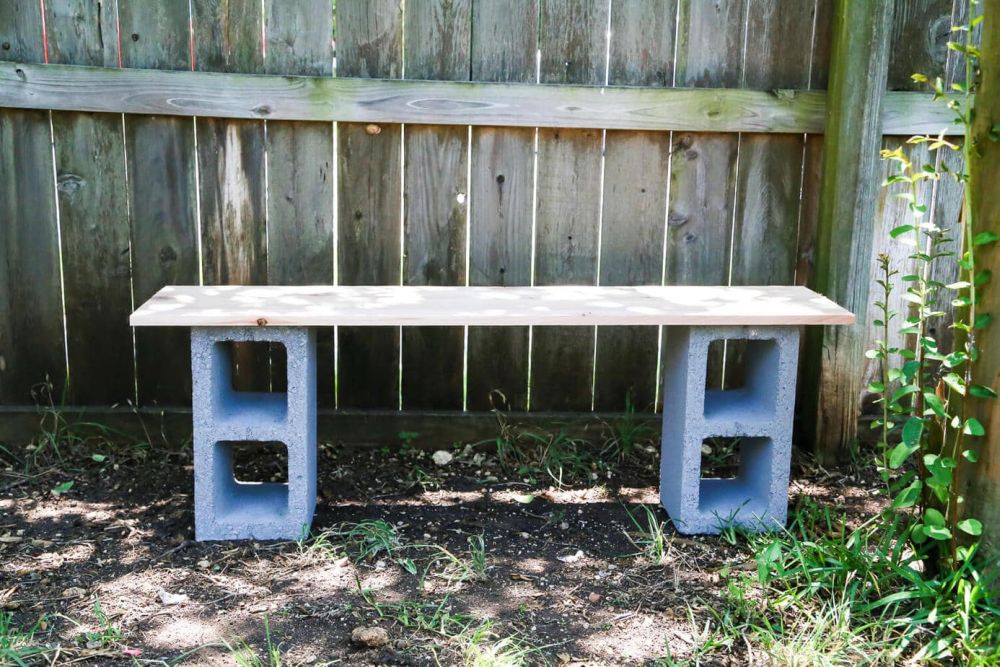
Four cinder blocks and a cedar board were enough to turn an unused stretch of backyard fence into storage for a growing collection of potted plants. No wood frame or built-in shelving was needed to get the pots off the ground. Amanda from Love & Renovations used the blocks as supports and cut the cedar into two long shelves. Stacking the same materials twice created two levels without adding legs or brackets. Construction adhesive holds the pieces together, while the narrow boards keep the stand close to the fence. Once the shelves were filled with terracotta pots, plants that had occupied the ground gained two raised display levels. Two Cinder Blocks Set the Width of the Plant Stand @loveandrenovations The project begins with two cinder blocks placed upright about three feet apart. A level across the blocks helps position both supports at the same height before the cedar goes on top. Spacing the blocks inward from each end also leaves room for the board to extend past both supports. Hendrix used construction adhesive on top of each block before adding the first shelf. First Cedar Board Creates the Lower Shelf @loveandrenovations An eight-foot cedar 1×12 was cut into two four-foot sections. One section rests across the first pair of blocks, creating a long shelf without a wood frame underneath. The other two cinder blocks served as weights while the adhesive set. That step keeps the cedar pressed against both concrete supports before another tier is added. Second Pair of Blocks Raises Another Shelf Above the First @loveandrenovations Two more blocks stand on the first cedar board, aligned above the supports below. The second four-foot cedar section spans their tops and completes the upper tier. Placing the blocks at each side leaves most of the lower shelf open. The finished structure gets two plant levels from four blocks and two boards rather than a built wood shelving unit. Different Shelf Heights Make Room for Different Pots @loveandrenovations Small cacti and succulents fit across the lower board, while larger terracotta pots occupy the shelf above. The gap between levels gives the lower plants enough room without pushing the upper shelf far from the fence. Pot sizes also break up the straight horizontal lines of the cedar. Small containers can sit between larger ones, allowing more of the collection to fit across the four-foot span. Narrow Boards Keep the Display Against the Fence @loveandrenovations From the side, the advantage of the 1×12 boards becomes clear. The stand provides two display surfaces without projecting far into the yard. That shallow footprint makes the format suited to a fence line or another narrow outdoor area. Plants remain raised from the ground while the space in front stays open. Terracotta Pots Bring the Two Tiers Together @loveandrenovations Terracotta pots in several sizes create a common finish across the collection. Green succulents, cacti, and a dark-leaf plant provide the variation instead of adding paint to the stand. Hendrix left the cinder blocks gray and the cedar unfinished. Paint or stain could change either material, but the exposed concrete and wood make the construction easy to see. Open Cinder Blocks Leave Space Around the Lower Plants @loveandrenovations The blocks act as vertical supports at both ends instead of enclosing the shelf. Their open cores reduce the visual mass around the smaller pots and keep the middle of each tier clear. Construction adhesive connects the blocks and cedar, so no visible brackets interrupt the front of the stand. The finished shelves read as three horizontal boards and four concrete supports. Four Blocks Turn Into a Full Backyard Plant Display @loveandrenovations Filled with plants, the finished stand looks far removed from four loose cinder blocks and a cedar board. Taller pots sit across the top, while cacti and succulents fill the shelf below, turning an unused stretch of fence into a compact plant display. But plants don’t have to be the end of the idea. Herbs, container vegetables, garden tools, or even an outdoor serving setup could take their place. What would you put on two backyard shelves built from materials this simple? Image credits go to loveandrenovations. The post She Turned Basic Cinder Blocks Into a Backyard Plant Stand Without Building a Frame appeared first on Homedit.
本内容采集自海外公开设计资源「Homedit」。原作者/机构:Stefan Gheorghe。原文链接:https://www.homedit.com/she-turned-basic-cinder-blocks-into-a-backyard-plant-stand-without-building-a-frame/。授权说明:RSS 公开聚合输出,版权归 Homedit 及原作者所有;仅引用标题、摘要与原图链接。。本站仅作学习参考,图片以原链接方式引用、未加水印、未二次分发;版权归原作者所有
趋势对标 · 相关资讯
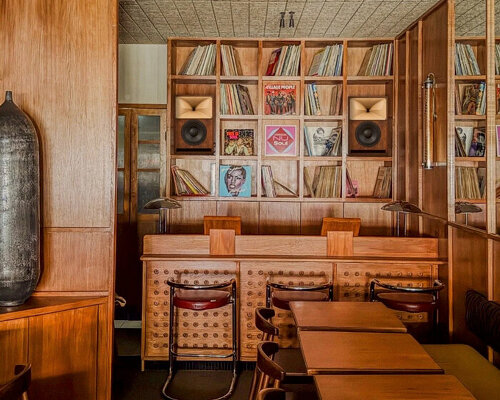
SOBO wraps paris listening restaurant in oak, vintage furniture, and acoustic panels
a paris restaurant turns into an intimate plant-base…
SOBO wraps paris listening restaurant in oak, vintage furniture, and acoustic panels
a paris restaurant turns into an intimate plant-base…

Flashlights Usually Don’t Have Personalities, Olight’s Oclip 2 Ultra Kind of Does
Flashlights Usually Don’t Have Personalities, Olight…
相似案例推荐

Woman Rolls Old Book Pages to Create a One-of-a-Kind Wreath
Damaged books do not have to end up in the tra…
海外来源 · Homedit
Piaget’s New Swinging Pebble Sautoir Is Part Watch, Part Haute Jewelry
Do you have a penchant for pendants?
海外来源 · Elle Decor
Inside the Standout Runways and Venues From New York Fashion Week Spring-Summer 2027
Lincoln Center, the Noguchi Sunken Garden, and…
海外来源 · Elle Decor
Man Turns One Wood Pallet Into a Patio Grill Table With Storage
Small grills still need a surface that puts th…
海外来源 · Homedit